
.jpeg)
What is the mechanism of action of sparsentan? How to exert therapeutic effect
Sparsentan (Sparsentan) is a new type of dual receptor antagonist, mainly used to treat kidney diseases, especially for the treatment of proteinuria caused by diseases such as FSGS (minimal disease) or IgA nephropathy. Through its unique mechanism of action, sparsentine modulates multiple pathways related to kidney function to achieve therapeutic effects. This article will detail the mechanism of action of sparsentane and how it exerts its therapeutic effects.
1. The mechanism of action of sparsentin
The mechanism of action of sparsentan mainly relies on its dual receptor antagonism function, that is, it antagonizes two receptors at the same time: angiotensinIItype1
AT1 Receptor Antagonism: Sparsentan antagonizes angiotensinII and AT1 The binding of receptors inhibits the vasoconstrictive response caused by angiotensinII, thereby reducing the burden on renal blood flow, reducing the pressure and filtration rate of renal tubules, and reducing renal damage. This effect not only helps reduce the level of high blood pressure, but also slows down the inflammatory response and fibrosis process in the kidneys.
ETAReceptor antagonism: Endothelin acts on blood vessels through ETAreceptors, causing vasoconstriction, inflammation and tissue damage. By antagonizing ETA receptors, sparsentine reduces the degree of vasoconstriction and kidney damage, improves renal microcirculation, and alleviates the symptoms of proteinuria. Studies have shown that excessive activation of ETA receptors is related to a variety of kidney diseases, including pathological conditions such as IgA nephropathy and FSGS, and sparsantane effectively alleviates these pathological symptoms through this mechanism.
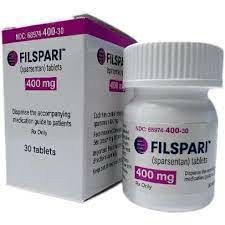
2. Application of sparsentane in the treatment of proteinuria
Proteinuria is a typical manifestation of many kidney diseases and is often a sign of impaired kidney filtration function. Sparsentane has shown significant efficacy in the treatment of proteinuria through its dual receptor antagonism. Especially in diseases associated with proteinuria such as IgAnephrosis and FSGS, sparsentan has shown advantages over traditional drugs (such as ACE inhibitors or ARBs).
Reducing the protein load of the renal tubules: Sparsentine reduces the inflammatory response and fibrosis in the kidney by inhibiting the activity of the AT1 receptor and the ETA receptor, reducing the pressure on the kidney's filtration function, thereby reducing protein leakage and deposition. This mechanism allows sparsentan to effectively reduce proteinuria and improve kidney function.
Delays kidney failure: Sparsentane has been shown to significantly delay kidney failure in multiple clinical studies. By improving proteinuria and slowing the inflammatory response in the kidneys, sparsantane not only reduces patients' clinical symptoms but also slows the progression of kidney damage, especially in those who do not respond well to traditional treatments.
3. Clinical research progress of spaxentan
The clinical effectiveness of sparsentane has been verified through multiple studies. One of the most notable studies is the DURATION-3 trial, a multicenter, randomized, controlled clinical trial designed to evaluate the efficacy of sparsentane in IgA nephropathy patients. Studies have shown that sparsentane can significantly reduce proteinuria and improve kidney function in patients. Compared with traditional treatment drugs, sparsentane is more effective and has fewer side effects.
In addition, sparsentin has shown promise in FSGS (minimal disease progression) and other related kidney diseases. Studies have shown that sparsentane can effectively reduce proteinuria in patients with these diseases and that patients' kidney function continues to improve during long-term use. Its long-term effects make spaxentan a competitive option when treating these conditions.
4. Sparsentan’s side effects and safety
Although sparsentane has significant efficacy, there are some side effects associated with its use. Common side effects include headache, high blood pressure, abnormal liver function, and gastrointestinal discomfort. Most side effects are mild or moderate, and patients' tolerance gradually improves as treatment continues. However, the side effects of sparsentan are lower than those of traditional ACE inhibitors or ARBsare milder and more protective of the kidneys.
In summary, sparsentane, as a dual receptor antagonist, effectively improves proteinuria and renal function in patients with kidney disease by inhibiting the effects of angiotensinII and endothelin. Its application in kidney diseases such as IgA nephropathy and FSGS has shown great potential. In future clinical practice, sparsentan is expected to become an important drug in the treatment of kidney diseases, bringing more treatment options and hope to patients.
Reference materials:https://www.sparsentan.com/
[ 免责声明 ] 本页面内容来自公开渠道(如FDA官网、Drugs官网、原研药厂官网等),仅供持有医疗专业资质的人员用于医学药学研究参考,不构成任何治疗建议或药品推荐。所涉药品可能未在中国大陆获批上市,不适用于中国境内销售和使用。如需治疗,请咨询正规医疗机构。本站不提供药品销售或代购服务。


