
.jpeg)
Summary of venetoclax (venetoclax) instructions, usage, dosage and side effects
Venetoclax (trade name: Venetoclax) is an oral anti-cancer drug that is a BCL-2 inhibitor and is used to treat certain types of blood cancers, such as chronic lymphocytic leukemia (CLL) and acute myeloid leukemia (AML). Venetoclax promotes the apoptosis of cancer cells and helps reduce the survival of tumor cells by inhibiting the function of BCL-2 protein. The following is a summary of the usage, dosage, side effects, etc. in the instructions for venetoclax.
Usage and dosage
The use of venetoclax should follow the guidance of a doctor and be individualized according to the patient's specific condition. In general, the starting dose and regimen of venetoclax will be determined based on the patient's disease type, tolerance, and other clinical factors.
1. Chronic lymphocytic leukemia (CLL): For patients with CLL, the starting dose of venetoclax is usually 50 mg daily, and then the dose is increased weekly until a maintenance dose of 400 mg is reached. The purpose of escalating doses is to gradually increase drug concentration, thereby reducing side effects caused by excessive drug doses. Patients typically receive some monitoring and supportive care before treatment, especially during the dose escalation phase.
2. Acute myeloid leukemia (AML): For AML patients, venetoclax may be used differently and is usually used in combination with chemotherapy drugs. During treatment, the dose of venetoclax usually starts at 100 mg daily and is gradually increased according to the patient's tolerance. The specific arrangement of the combined chemotherapy regimen needs to be decided by the doctor based on the patient's specific situation.
3. Medication time: Venetoclax should be taken at the same time every day and can be taken with food. In order to reduce gastrointestinal discomfort, patients can choose to take it after meals, especially those with gastrointestinal sensitivity. The medicine should be swallowed whole and should not be chewed or crushed.
As a targeted drug, venetoclax may cause some side effects, some of which have been frequently observed in clinical trials. Common side effects include:
1. Myelosuppression: Myelosuppression is one of the most common side effects of venetoclax, especially in the first few weeks of starting the drug. Patients may develop anemia, leukopenia, and thrombocytopenia, which can lead to infection, bleeding, and fatigue. During the treatment period, patients need to undergo regular blood routine examinations, monitor blood cell counts, and intervene according to the doctor's recommendations.
2. Risk of infection: Because venetoclax may cause suppression of the immune system, patients may be at increased risk of bacterial, fungal, or viral infections during treatment. Common infections include upper respiratory tract infections, pneumonia, etc. If patients develop fever, chills, cough and other infection symptoms, they should seek medical treatment in time.
3. Nausea, vomiting and loss of appetite: Many patients may experience gastrointestinal discomfort while taking venetoclax, manifesting as symptoms such as nausea, vomiting and loss of appetite. These symptoms are usually temporary and gradually decrease with treatment. Patients can alleviate these discomforts by adjusting their eating habits and taking antiemetic drugs.
4. Diarrhea: Diarrhea is also one of the common side effects of venetoclax. Patients should maintain good fluid intake during treatment, avoid dehydration, and use antidiarrheal medications as needed. Severe diarrhea may affect the progress of treatment. If symptoms persist or worsen, you should inform your doctor.
5. Liver damage: Venetoclax may cause certain damage to the liver, manifested by elevated liver enzymes. Patients need to have liver function monitored regularly while taking the drug. If abnormal liver function is found, the doctor may adjust the treatment plan or temporarily stop the medication.
6. Cardiovascular side effects: Some patients may experience cardiovascular side effects such as arrhythmias while taking venetoclax. Especially high-risk groups, such as patients with a history of heart disease, need to use venetoclax with caution, and regular electrocardiograms are required during treatment.
7. Other side effects: including headache, fatigue, weight loss, bleeding tendency, joint pain, etc. Most side effects are mild or moderate and get better over time.
Precautions for use
1. Close monitoring during the dose escalation phase: The dose escalation phase of venetoclax requires strict monitoring of the patient’s blood indicators, especially the number of white blood cells, platelets and red blood cells. Increasing the drug dose too quickly may increase the risk of myelosuppression and other side effects, so dose escalation should be done gradually.
2. Drug interactions: Venetoclax may interact with certain drugs, especially CYP3A4 enzyme inhibitors or inducers. Therefore, patients should inform their doctor about all medications they are taking, including prescription drugs, over-the-counter drugs, herbal remedies, and supplements, before starting venetoclax to avoid drug interactions.
3. Contraindicated for pregnant and lactating women: The safety of venetoclax in pregnant women has not been clearly confirmed, so the drug is prohibited for pregnant women. Breastfeeding women should also not use venetoclax because the drug may pass through breast milk and affect the health of the baby.
Overall, venetoclax is an effective anti-cancer drug that can treat hematological tumors, especially chronic lymphocytic leukemia and acute myeloid leukemia, by inhibiting BCL-2 protein. However, patients need to pay special attention to side effects when using venetoclax, especially common problems such as bone marrow suppression, infection, and gastrointestinal discomfort. During the treatment process, patients should receive regular examinations and monitoring to ensure the safety and effectiveness of the treatment. When using venetoclax, you should follow your doctor's instructions, take the medicine on time, and report any symptoms of discomfort in a timely manner so that the treatment plan can be adjusted.
Reference: https://www.venclexta.com/
Usage and dosage
The use of venetoclax should follow the guidance of a doctor and be individualized according to the patient's specific condition. In general, the starting dose and regimen of venetoclax will be determined based on the patient's disease type, tolerance, and other clinical factors.
1. Chronic lymphocytic leukemia (CLL): For patients with CLL, the starting dose of venetoclax is usually 50 mg daily, and then the dose is increased weekly until a maintenance dose of 400 mg is reached. The purpose of escalating doses is to gradually increase drug concentration, thereby reducing side effects caused by excessive drug doses. Patients typically receive some monitoring and supportive care before treatment, especially during the dose escalation phase.
2. Acute myeloid leukemia (AML): For AML patients, venetoclax may be used differently and is usually used in combination with chemotherapy drugs. During treatment, the dose of venetoclax usually starts at 100 mg daily and is gradually increased according to the patient's tolerance. The specific arrangement of the combined chemotherapy regimen needs to be decided by the doctor based on the patient's specific situation.
3. Medication time: Venetoclax should be taken at the same time every day and can be taken with food. In order to reduce gastrointestinal discomfort, patients can choose to take it after meals, especially those with gastrointestinal sensitivity. The medicine should be swallowed whole and should not be chewed or crushed.
4. Increasing and maintenance phases: When using venetoclax, especially during the ascending dose phase, patients need to closely monitor blood cell counts and other related biochemical indicators. For some patients, dose adjustments or drug discontinuation may be necessary to address side effects.
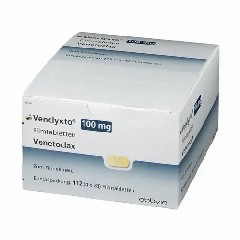
As a targeted drug, venetoclax may cause some side effects, some of which have been frequently observed in clinical trials. Common side effects include:
1. Myelosuppression: Myelosuppression is one of the most common side effects of venetoclax, especially in the first few weeks of starting the drug. Patients may develop anemia, leukopenia, and thrombocytopenia, which can lead to infection, bleeding, and fatigue. During the treatment period, patients need to undergo regular blood routine examinations, monitor blood cell counts, and intervene according to the doctor's recommendations.
2. Risk of infection: Because venetoclax may cause suppression of the immune system, patients may be at increased risk of bacterial, fungal, or viral infections during treatment. Common infections include upper respiratory tract infections, pneumonia, etc. If patients develop fever, chills, cough and other infection symptoms, they should seek medical treatment in time.
3. Nausea, vomiting and loss of appetite: Many patients may experience gastrointestinal discomfort while taking venetoclax, manifesting as symptoms such as nausea, vomiting and loss of appetite. These symptoms are usually temporary and gradually decrease with treatment. Patients can alleviate these discomforts by adjusting their eating habits and taking antiemetic drugs.
4. Diarrhea: Diarrhea is also one of the common side effects of venetoclax. Patients should maintain good fluid intake during treatment, avoid dehydration, and use antidiarrheal medications as needed. Severe diarrhea may affect the progress of treatment. If symptoms persist or worsen, you should inform your doctor.
5. Liver damage: Venetoclax may cause certain damage to the liver, manifested by elevated liver enzymes. Patients need to have liver function monitored regularly while taking the drug. If abnormal liver function is found, the doctor may adjust the treatment plan or temporarily stop the medication.
6. Cardiovascular side effects: Some patients may experience cardiovascular side effects such as arrhythmias while taking venetoclax. Especially high-risk groups, such as patients with a history of heart disease, need to use venetoclax with caution, and regular electrocardiograms are required during treatment.
7. Other side effects: including headache, fatigue, weight loss, bleeding tendency, joint pain, etc. Most side effects are mild or moderate and get better over time.
Precautions for use
1. Close monitoring during the dose escalation phase: The dose escalation phase of venetoclax requires strict monitoring of the patient’s blood indicators, especially the number of white blood cells, platelets and red blood cells. Increasing the drug dose too quickly may increase the risk of myelosuppression and other side effects, so dose escalation should be done gradually.
2. Drug interactions: Venetoclax may interact with certain drugs, especially CYP3A4 enzyme inhibitors or inducers. Therefore, patients should inform their doctor about all medications they are taking, including prescription drugs, over-the-counter drugs, herbal remedies, and supplements, before starting venetoclax to avoid drug interactions.
3. Contraindicated for pregnant and lactating women: The safety of venetoclax in pregnant women has not been clearly confirmed, so the drug is prohibited for pregnant women. Breastfeeding women should also not use venetoclax because the drug may pass through breast milk and affect the health of the baby.
Overall, venetoclax is an effective anti-cancer drug that can treat hematological tumors, especially chronic lymphocytic leukemia and acute myeloid leukemia, by inhibiting BCL-2 protein. However, patients need to pay special attention to side effects when using venetoclax, especially common problems such as bone marrow suppression, infection, and gastrointestinal discomfort. During the treatment process, patients should receive regular examinations and monitoring to ensure the safety and effectiveness of the treatment. When using venetoclax, you should follow your doctor's instructions, take the medicine on time, and report any symptoms of discomfort in a timely manner so that the treatment plan can be adjusted.
Reference: https://www.venclexta.com/
[ 免责声明 ] 本页面内容来自公开渠道(如FDA官网、Drugs官网、原研药厂官网等),仅供持有医疗专业资质的人员用于医学药学研究参考,不构成任何治疗建议或药品推荐。所涉药品可能未在中国大陆获批上市,不适用于中国境内销售和使用。如需治疗,请咨询正规医疗机构。本站不提供药品销售或代购服务。


