
.jpeg)
Analysis of the therapeutic effects and common side effects of Afatinib
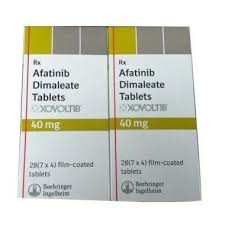
Afatinib (Afatinib) is a targeted therapy drug that is a tyrosine kinase inhibitor (TKI). It is mainly used to treat non-small cell lung cancer (NSCLC) with EGFR mutations. Unlike other EGFR inhibitors, afatinib not only inhibits the mutant form of EGFR, but also inhibits the activation of other members such as HER2 and HER4, and has a broader mechanism of action. This allows afatinib to provide a more durable effect in the treatment of patients with EGFR mutation-positive non-small cell lung cancer, especially in first-line treatment and drug resistance, showing good clinical efficacy.
Therapeutic effect
The therapeutic effect of afatinib has been verified in multiple clinical trials, especially in the treatment of EGFR mutation-positive patients, showing high efficacy. In a pivotal Phase III clinical trial, LUX-Lung 3, afatinib was compared with traditional gefitinib and showed that afatinib significantly prolonged progression-free survival (PFS) and had a longer duration of treatment response. The objective response rate (ORR) of patients under afatinib treatment is higher, and compared with gefitinib, the efficacy of afatinib is more durable.
Afatinib has also been proven to have good efficacy for patients who develop resistance after first-line EGFR-TKI treatment. Although drug resistance is a major challenge in the treatment of EGFR mutation-positive non-small cell lung cancer, afatinib can still effectively control tumor progression in some drug-resistant patients due to its multi-target inhibitory effect, especially for patients with EGFR T790M mutation and some uncommon mutations. Through this mechanism, afatinib can slow tumor progression and provide patients with additional treatment options.
However, the efficacy of afatinib is also affected by individual patient differences. For some EGFR mutation-positive patients, afatinib may still have poor efficacy or resistance, especially when used early. These patients often require genetic testing and other marker testing to select the most appropriate treatment options. Therefore, afatinib is often used in combination with other targeted therapy drugs or chemotherapy drugs in practical applications to further improve the therapeutic effect.
Common side effects
Although afatinib has achieved remarkable results in the treatment of non-small cell lung cancer, it may also cause some side effects, and patients need to pay attention when using it. The side effects of afatinib are mainly related to its targeting effects, especially on the skin and gastrointestinal tract. The most common side effects include rash, diarrhea, mouth sores, nausea and loss of appetite.
1.Skin rash: Rash is one of the most common side effects of afatinib, and about 60% of patients will experience varying degrees of rash. Typically, the rash occurs early in treatment and may cause discomfort to the patient. Although most rashes are mild, in some patients, severe rashes may require therapeutic intervention. In order to reduce the occurrence of rashes, patients can take some skin care measures, such as avoiding sun exposure and using mild skin care products.
2.Diarrhea: Diarrhea is another common side effect of afatinib and usually begins within the first few weeks of treatment. Afatinib may cause intestinal dysfunction and diarrhea by affecting intestinal growth factor receptors. Although diarrhea is generally mild, if it persists and is severe, the dose of the medication may need to be adjusted or the medication may need to be temporarily discontinued. In addition, patients can alleviate this symptom through dietary modification and oral antidiarrheal medications.
3. Oral ulcers and gastrointestinal discomfort: Afatinib may cause oral ulcers and gastrointestinal discomfort, such as nausea, vomiting, loss of appetite, etc. These uncomfortable symptoms are usually more common at the beginning of treatment and gradually reduce as treatment continues. Oral ulcers can be relieved with mouthwash and topical medications, while gastrointestinal discomfort can be improved by adjusting diet and using anti-nausea medications.
4.Other side effects: In addition to the above side effects, afatinib may also cause fatigue, headache, loss of appetite and other symptoms. Most side effects are noticeable early in treatment and tend to improve over time. However, in some patients, side effects may persist or worsen, so regular health monitoring is required during medication and appropriate dosage adjustments are made according to the doctor's advice.
side effect management
In order to reduce the side effects of afatinib, patients should maintain close contact with their doctors during treatment. Once serious side effects occur, patients should report to their doctor immediately to avoid affecting the continuity of treatment. When using afatinib, patients should also undergo regular examinations, including blood tests, liver and kidney function tests, skin condition assessment, etc., to ensure the safety and effectiveness of the treatment. Doctors may adjust the dose of the drug based on the patient's tolerance, or combine it with other drugs to alleviate side effects.
In general, afatinib, as a targeted therapy, has a significant therapeutic effect on patients with EGFR mutation-positive non-small cell lung cancer. Although it may cause some side effects, these are usually manageable and will gradually lessen as treatment continues. For patients, following the doctor's advice, regularly monitoring the condition and side effects, and adjusting the treatment plan in a timely manner can maximize the treatment effect and minimize the side effects. Afatinib provides an effective treatment option for patients with EGFR mutation-positive non-small cell lung cancer, especially for those patients who are ineffective with traditional therapies, and has important clinical value.
References:https://www.giotrif.com/
[ 免责声明 ] 本页面内容来自公开渠道(如FDA官网、Drugs官网、原研药厂官网等),仅供持有医疗专业资质的人员用于医学药学研究参考,不构成任何治疗建议或药品推荐。所涉药品可能未在中国大陆获批上市,不适用于中国境内销售和使用。如需治疗,请咨询正规医疗机构。本站不提供药品销售或代购服务。


