
.jpeg)
What is the mechanism of action of rubicatin (rubitin) during treatment? Targeting effect and efficacy analysis
Rubicatin (also known as Lurbinectedin) is a new type of anti-tumor chemotherapy drug, which is mainly used to treat refractory solid tumors such as small cell lung cancer (SCLC). It is a transcription inhibitor drug that inhibits the growth and spread of tumors by targeting the gene transcription process of tumor cells. As a drug whose structure is derived from natural products, the development of rubicatin has attracted widespread attention and has shown good anti-tumor activity in clinical studies.
The mechanism of action of Rubicatin is mainly by selectively binding to specific sites of DNA and interfering with the function of RNA polymerase II. This combination will cause the DNA chain to twist, blocking the transcription process of key genes in cancer cells, thereby inhibiting the protein synthesis and proliferation of cancer cells. In addition, rubicatin can also induce DNA double-strand breaks, further enhancing its effect on killing tumor cells. More importantly, it has less impact on non-cancer cells during its action and is more selective than traditional chemotherapy drugs.
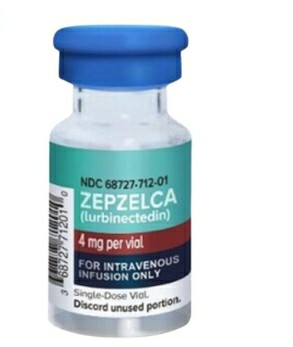
From the perspective of targeting effect, rubicatin is particularly suitable for patients with small cell lung cancer who are resistant to traditional treatments. Clinical studies have found that the drug can prolong progression-free survival (PFS) and overall survival (OS) in patients with relapsed SCLC, especially those who have poor response to platinum drugs or have a short recurrence time. In addition, rubicatin also has certain anti-inflammatory and ability to regulate the tumor microenvironment, which can reduce tumor-related immunosuppressive reactions and improve the overall therapeutic effect.
Overall, rubicatin, with its unique transcriptional inhibition mechanism, provides a new treatment idea for cancers with high recurrence rates and poor prognosis such as small cell lung cancer. It has strong targeting and good tolerance, bringing more clinical treatment possibilities. However, this drug may also be associated with common chemotherapy side effects, such as leukopenia, fatigue, nausea, etc., and requires close monitoring during use. In the future, rubicatin is expected to expand its indications in more types of tumors, especially when combined with immunotherapy or other targeted drugs, which may further improve its clinical efficacy.
Reference materials:https://www.zepzelca.com/
[ 免责声明 ] 本页面内容来自公开渠道(如FDA官网、Drugs官网、原研药厂官网等),仅供持有医疗专业资质的人员用于医学药学研究参考,不构成任何治疗建议或药品推荐。所涉药品可能未在中国大陆获批上市,不适用于中国境内销售和使用。如需治疗,请咨询正规医疗机构。本站不提供药品销售或代购服务。


