
.jpeg)
How much do you need to pay out-of-pocket for acalatinib/acalabrutinib after medical insurance reimbursement?
Acalabrutinib (Acalabrutinib) is a highly selective BTK inhibitor, mainly used to treat chronic lymphocytic leukemia (CLL) and mantle cell lymphoma (MCL). It has been approved by the US FDA and the State Food and Drug Administration of China. This drug blocks the survival signals of tumor cells by inhibiting the activity of BTK in the B cell receptor pathway, thereby inhibiting the malignant proliferation of B cells and delaying disease progression. Compared with the first-generation BTK inhibitor ibrutinib, acotinib has stronger target specificity and less inhibitory effect on other enzymes such as EGFR. Therefore, it has a lower risk of side effects such as atrial fibrillation, hypertension or gastrointestinal discomfort, making it better tolerated in some special patient populations.
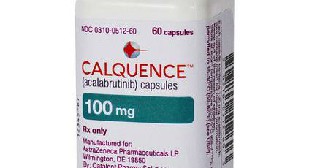
The drug has been officially approved for marketing in China in the form of capsule preparations, with the trade nameCalquence and a specification of 100mg/capsule. Each box usually contains 8 tablets x 7 plates, a total of 56 tablets. A patient’s monthly dosage for routine treatment is approximately two boxes. At present, acotinib has been included in the national medical insurance catalog and is a Class B drug. The reimbursement rate varies depending on regional medical insurance policies, generally reaching 60%-80%. Based on a price of about RMB 40,000 per box, after reimbursement by medical insurance, the individual cost borne by the patient may range from RMB 8,000 to RMB 16,000 per box. The specific amount needs to be calculated based on local policies and insurance categories.
It is worth noting that in order to reduce the financial burden on patients, some areas also have special relief projects or patient assistance plans, which can further reduce drug costs. Although its current price is still high, its efficacy and tolerability are better than those of previous generations, providing better treatment prospects for patients with refractory or relapsed B-cell tumors. During the period of use, patients should take the medicine regularly according to the doctor's instructions, and regularly review blood images, electrocardiograms and other indicators to evaluate the treatment effect and safety.
Reference materials:https://www.calquence.com/
[ 免责声明 ] 本页面内容来自公开渠道(如FDA官网、Drugs官网、原研药厂官网等),仅供持有医疗专业资质的人员用于医学药学研究参考,不构成任何治疗建议或药品推荐。所涉药品可能未在中国大陆获批上市,不适用于中国境内销售和使用。如需治疗,请咨询正规医疗机构。本站不提供药品销售或代购服务。


