
.jpeg)
What are the common side effects of erdafitinib?
Erdafitinib is a selective fibroblast growth factor receptor (FGFR) tyrosine kinase inhibitor designed to treat urothelial carcinoma (UC; bladder cancer) harboring FGFR gene mutations or fusions. As an anti-cancer drug targeting precise molecular targets, erdafitinib has shown good efficacy in specific populations. However, since its mechanism of action involves multiple signaling pathways, a series of systemic side effects may still occur after use, which requires close monitoring and timely intervention.
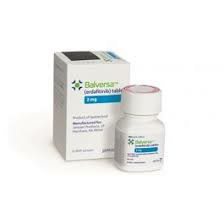
In clinical practice, one of the most common adverse reactions in patients using erdafitinib is hyperphosphatemia. This metabolic disorder is caused by drug interference with the regulation of renal tubular phosphate reabsorption. If not controlled properly, it may lead to muscle weakness, joint calcification and even renal damage. Therefore, blood phosphorus levels need to be measured regularly during medication, and dose adjustments or dietary management should be performed based on the results. Another typical side effect is ocular toxicity, especially central serous chorioretinopathy (CSCR) and blurred vision. This visual impact may occur early in treatment, so patients are asked to undergo monthly eye exams to allow for early recognition and response.
In addition to the above-mentioned more specific adverse reactions, patients may also experience common targeted drug side effects such as oral mucositis, rash, nail lesions, loss of appetite, diarrhea and fatigue after using erdafitinib. Some patients will develop hand-foot syndrome or dry skin symptoms, which require simultaneous intervention with topical drugs and daily care. Some people may have mild elevations in liver enzymes or changes in renal function, and dynamic evaluation needs to be combined with laboratory tests. It is worth noting that since erdafitinib is mainly eliminated through liver and kidney metabolism pathways, patients with existing liver and kidney diseases need to be closely monitored before and after treatment to reduce the risk of drug accumulation.
Reference materials:https://www.balversa.com/
[ 免责声明 ] 本页面内容来自公开渠道(如FDA官网、Drugs官网、原研药厂官网等),仅供持有医疗专业资质的人员用于医学药学研究参考,不构成任何治疗建议或药品推荐。所涉药品可能未在中国大陆获批上市,不适用于中国境内销售和使用。如需治疗,请咨询正规医疗机构。本站不提供药品销售或代购服务。


