
.jpeg)
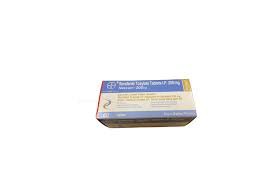
Sorafenib/Nexavar drug instructions details
1. Basic information about drugs
Common name: Sorafenib, sorafenib
Trade name: Nexavar (Nexavar)
Drug category: Oral multi-target tyrosine kinase inhibitor (TKI)
Dosage form and specification: 200mg film-coated tablets, each bottle usually contains 60 tablets
Sorafenib is one of the first targeted drugs approved for advanced hepatocellular carcinoma and is also widely used in advanced renal cell carcinoma and refractory differentiated thyroid cancer. Its multi-target mechanism enables it to have dual effects of anti-proliferation and anti-angiogenesis in a variety of tumors.
2. Overview of indications
Sorafenib is approved for the treatment of the following three major cancer types:
1. Advanced liver cancer (HCC): It is suitable for advanced primary liver cancer that cannot accept surgery or local treatment. It is currently one of the most widely used targeted drugs in the systemic treatment of liver cancer in the world.
2. Advanced renal cell carcinoma (RCC): Recommended for patients with metastatic renal cancer who have previously received cytotoxic chemotherapy or failed cytokine therapy.
3. Differentiated thyroid cancer (DTC): used to treat papillary thyroid cancer or follicular cancer that is insensitive to radioactive iodine therapy and has spread or recurred.
3. Usage and dosage
According toFDA and EMA standards, the recommended usage is as follows:
1. Dose: 400mg each time (i.e. 2 tablets of 200mg), twice a day (once in the morning and once in the evening)
2. Taking time: Take on an empty stomach (at least 1 hour before a meal or 2 hours after a meal). It can also be taken with a low-fat or medium-fat diet, but high-fat meals should be avoided to reduce fluctuations in blood concentration.
3. Medication cycle: It is recommended to continue taking it until the disease progresses or intolerable toxic reactions occur.
If you miss a dose, skip that dose and do not double the dose. During medication, blood pressure, liver function, skin condition, etc. need to be closely observed to evaluate whether the dosage needs to be adjusted.
4. Description of pharmacological mechanism
Sorafenib inhibits multiple key kinase signaling pathways, including:
Raf kinase (RAF-1, BRAF): inhibits the proliferation of tumor cells.
VEGFR (vascular endothelial growth factor receptor) 1/2/3: blocks tumor neovascularization.
PDGFR-β, KIT, RET and other kinases: affect the tumor microenvironment, cell migration and invasion.
This multi-target blocking mechanism enables it to have a broad-spectrum anti-cancer effect in tumors of different tissue origins.
5. Main adverse reactions
Although sorafenib has good clinical effects, its side effects are more typical, including:
1. Skin toxic reactions: Hand-foot syndrome is the most common, manifesting as redness, swelling, stinging, and peeling of the palms and soles.
2. Digestive system: diarrhea, loss of appetite, nausea and vomiting.
3. Systemic reactions: fatigue, weight loss, muscle pain.
4. Cardiovascular effects: blood pressure increases. It is recommended to monitor blood pressure regularly during medication.
5. Abnormal liver function: elevated transaminase, jaundice, severe cases may require discontinuation of medication.
When patients experience moderate to severe adverse reactions, doctors usually recommend reducing the dosage or suspending the medication, and then gradually resume it after the symptoms are relieved.
6. Storage conditions and validity period
Storage method: Store at room temperature (15°C–30°C), avoid moisture and direct sunlight.
Validity period: Generally, it is three years from the date of production. Try to use it within the specified time after opening.
Reference materials:https://www.nexavar.com/
[ 免责声明 ] 本页面内容来自公开渠道(如FDA官网、Drugs官网、原研药厂官网等),仅供持有医疗专业资质的人员用于医学药学研究参考,不构成任何治疗建议或药品推荐。所涉药品可能未在中国大陆获批上市,不适用于中国境内销售和使用。如需治疗,请咨询正规医疗机构。本站不提供药品销售或代购服务。


