
.jpeg)
Can venetoclax (venetoclax) and ibrutinib be used together?
Venetoclax (also known as Venetoclax) is a BCL-2 inhibitor, mainly used to treat chronic lymphocytic leukemia (CLL< /span>), small lymphocytic lymphoma (SLL) and acute myeloid leukemia (AML) and other hematological tumors. Ibrutinib (Ibrutinib) is a BTK inhibitor and is also widely used to treat CLL, mantle cell lymphoma (MCL), etc. The two have different therapeutic targets and mechanisms of action, but clinical studies have shown that they can be used in combination and exhibit synergistic anti-cancer effects in certain types of leukemia.
In the treatment of chronic lymphocytic leukemia (CLL), the combined use of venetoclax and ibrutinib has become the focus of multiple clinical trials. This combination regimen takes advantage of ibrutinib's ability to rapidly reduce tumor burden and clear tumor cells in peripheral blood and lymph nodes, providing good conditions for venetoclax's subsequent deep removal of residual disease in the bone marrow. Data show that this treatment strategy of "ibrutinib first, then venetoclax" can improve the negative rate of minimal residual disease (MRD) and is expected to achieve longer-term remission, and some patients may even stop taking the drug after completing a certain course of treatment.
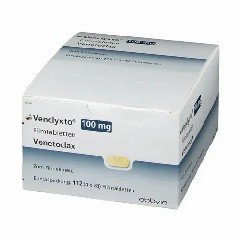
Although the combined effect is significant, it also increases the possibility of side effects. Both drugs may cause problems such as neutropenia, infection, diarrhea, and abnormal heart rhythm. Close monitoring is required when used together, especially in the early stages of treatment and dose escalation. In addition, venetoclax has the risk of tumor lysis syndrome (TLS), and ibrutinib may affect renal function. Therefore, when combined with medication, it is necessary to fully hydrate in advance, monitor electrolytes and renal function indicators, and increase the dose strictly in accordance with the guidance plan to avoid serious adverse reactions.
In conclusion, venetoclax and ibrutinib can indeed be used in combination in certain types of hematological tumors and have shown better therapeutic prospects than single agents in clinical studies. However, this combination therapy has high requirements for medication management and toxicity monitoring, and must be carried out under the guidance of hematology and oncology specialists to ensure that both maximum efficacy and safety are given equal emphasis. Patients should never take combined medications on their own, and professional doctors should make individualized decisions based on their condition, genetic type, and tolerance.
Reference materials:https://www.venclexta.com/
[ 免责声明 ] 本页面内容来自公开渠道(如FDA官网、Drugs官网、原研药厂官网等),仅供持有医疗专业资质的人员用于医学药学研究参考,不构成任何治疗建议或药品推荐。所涉药品可能未在中国大陆获批上市,不适用于中国境内销售和使用。如需治疗,请咨询正规医疗机构。本站不提供药品销售或代购服务。


