
.jpeg)
Which one is better, Platinib or Seputinib/Serpatinib?
Pralsetinib (Pralsetinib) and Selpercatinib (Selpercatinib, also known as serpatinib) are two tyrosine kinase inhibitors that target RET gene fusion or mutation. Preparations (TKI) are all used to treat malignant tumors such as non-small cell lung cancer (NSCLC) and thyroid cancer caused by RET gene abnormalities. As targeted drugs of the same class, they have many similarities in mechanism, efficacy, safety and clinical use strategies, but there are also some key differences. Which one of the two is better or worse cannot be generalized and needs to be judged based on the specific condition and medication background.
First of all, from the perspective of their mechanism of action, both platinib and seputinib are highly selective RET kinase inhibitors and can effectively inhibit RET fusion (such as < span>KIF5B-RET, CCDC6-RET) and RET point mutations (such as RET M918T), and has strong affinity to the gate control residues in the kinase structure, thereby blocking abnormal signaling pathways and inhibiting tumor cell proliferation. The difference is that platinib exhibits broad-spectrum inhibition against multiple RET mutated forms, while seputinib exhibits better central nervous system penetration in patients with brain metastases.
In terms of efficacy, both drugs showed high objective response rates (ORR) in RET fusion-positive non-small cell lung cancer. Based on clinical trials, platinib was used in the ARROW study to treat previously untreated RETfusionNSCLCpatients’ ORR reached 70% or more , some patients can even maintain remission for more than one year; and seputinib also performed very well in the LIBRETTO-001 trial, and its ORRORR pan>It reaches 84% among treatment-naive patients, and it also reaches about 64% among patients who have received treatment. Overall, the efficacy is similar, but seputinib may be slightly better at controlling disease in patients with central nervous system involvement.
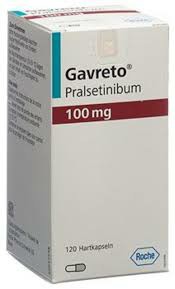
From a safety perspective, both drugs are considered to have controllable toxicity, and most of the common side effects are mild to moderate, such as high blood pressure, abnormal liver function, constipation, fatigue, etc. Common adverse reactions of platinib also include leukopenia and increased creatinine, while seputinib requires close attention to ECG abnormalities such as QT interval prolongation. Overall, the side effect spectrum differs slightly, but both can be managed with appropriate monitoring and dosage adjustments. Among elderly patients or those with underlying diseases, a comprehensive assessment is required based on individual conditions.
In actual clinical use, drug availability, medical insurance policies and patients' financial status will also affect the choice. At present, both of these drugs have been approved for marketing in China, but they have not yet been included in medical insurance, and their prices are relatively high. Platinib is more readily available in some areas, while seplutenib is more readily available in other areas. In addition, seputinib may be more suitable for patients with obvious brain metastases or patients with special needs for central drug penetration. For patients with complex tumor mutation types or long disease duration, the broad-spectrum inhibitory effect of platinib may be more advantageous.
Taken together, platinib and seputinib, as the two main options for RET targeted therapy, have good clinical value in terms of efficacy, safety and indications. Which one is better depends on factors such as the patient's specific condition characteristics, whether there are brain metastases, previous treatments, and drug availability. If the patient is more concerned about the control effect of the central system, seputinib can be given priority; and if broader coverage of RET's abnormal anti-cancer activity is required, platinib may be more advantageous. Individualized assessment under the guidance of a doctor is the key to achieving precise treatment.
Reference materials:https://gavreto.com/
[ 免责声明 ] 本页面内容来自公开渠道(如FDA官网、Drugs官网、原研药厂官网等),仅供持有医疗专业资质的人员用于医学药学研究参考,不构成任何治疗建议或药品推荐。所涉药品可能未在中国大陆获批上市,不适用于中国境内销售和使用。如需治疗,请咨询正规医疗机构。本站不提供药品销售或代购服务。


