
.jpeg)
THIO plus cimipilimab shows potential OS benefit in pretreated advanced non-small cell lung cancer
Treatment with cemiplimab sequenced THIO showed a signal of survival benefit in patients with advanced non-small cell lung cancer (NSCLC) who had received at least 2 standard of care (SOC) therapies, according to new data from the Phase 2 THIO-101 trial (NCT05208944)1.
The study results showed that the median overall survival (OS) of third-line patients (n=22) who received at least 1 dose of THIO was 16.9 months (lower limit of 95% CI was 12.5 months; lower limit of 99% CI was 10.8 months). These results will mark an improvement in OS compared with historical data on SOC treatment in similar settings. Regarding safety, this combination was generally well tolerated.
THIO treatment now shows a 99% chance that OS will significantly exceed chemotherapy measures. THIO's efficacy in advanced NSCLC continues to exceed expectations, particularly in the third line of treatment where the cancer is often more difficult to treat. The findings suggest that THIO has significant benefits for patients with unmet medical needs and little hope for the future. Final results from the ongoing expansion portion of THIO-101 may support an application for accelerated approval of THIO from the U.S. Food and Drug Administration (FDA).
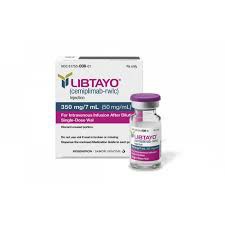
THIO is a first-in-class study targeting telomeres; telomeres and telomerase are critical for the survival of cancer cells and their resistance to SOC treatments. The THIO-101 trial was an open-label, non-randomized, multicenter, three-part study enrolling patients aged at least 18 years with histologically or cytologically confirmed stage III or IV non-small cell lung cancer who had progressed or relapsed after advanced treatment. Patients with stage III non-small cell lung cancer need to have progressed or are ineligible to receive local therapy; patients with stage III disease who have relapsed or progressed after receiving durvalumab (durvalumab ) consolidation therapy after definitive chemoradiotherapy are allowed to participate. An ECOG performance status of 0 or 1 and normal organ function are also necessary conditions for enrollment.
Patients with untreated or symptomatic central nervous system metastases were excluded; however, those with treated asymptomatic brain metastases were eligible. Other key exclusion criteria include active gastrointestinal bleeding; active, uncontrolled bacterial, viral, or fungal infection requiring systemic therapy; severe cardiovascular injury; and persistent immune-related adverse effects.
ExperimentalPart A serves as a safety lead-in, with patients taking 120 mg of THIO per day on days 1 to 3 of every 3-week cycle and 350 mg of cimepilimab on day 5; or 180 mg of THIO per day on days 1 to 3 of every 3-week cycle and 350 mg of cimepilimab on day 5. In part B, patients received the same cimepilimab regimen plus THIO at 20 mg, 60 mg, or 120 mg daily on days 1 to 3 of each 3-week cycle. Part C of the study administered 180 mg of THIO daily on days 1 to 3 and 350 mg of cimepilimab on day 5 in each 3-week cycle.
The trial's primary endpoints are safety, overall response rate and disease control rate. Secondary endpoints included duration of response, progression-free survival, andOS.
Reference materials:https://www.onclive.com/view/thio-plus-cemiplimab-demonstrates-potential-os-benefit-in-pretreated-advanced-nsclc
[ 免责声明 ] 本页面内容来自公开渠道(如FDA官网、Drugs官网、原研药厂官网等),仅供持有医疗专业资质的人员用于医学药学研究参考,不构成任何治疗建议或药品推荐。所涉药品可能未在中国大陆获批上市,不适用于中国境内销售和使用。如需治疗,请咨询正规医疗机构。本站不提供药品销售或代购服务。


