
.jpeg)
First-line acotinib/acabrutinib plus BR receives CHMP recommendations for mantle cell lymphoma
The European Medicines Agency (EMA) has issued a positive opinion recommending the approval of acalabrutinib/acalabrutinib with bendamole Stin and rituximab (rituximab; BR) are combined to treat adult patients with previously untreated mantle cell lymphoma (MCL; non-Hodgkin) who are ineligible for autologous stem cell transplantation (ASCT). This recommendation is supported by results from the ECHO phase 3 trial (NCT02972840), which was published in 2025 and demonstrated a statistically significant progression-free survival (PFS) benefit of adding acotinib to chemoimmunotherapy.
Compared with BR aloneAcotinib reduced the risk of disease progression or death by 27% (HR, 0.73; 95% CI, 0.57-0.94; P=0.016). The median progression-free survival (PFS) was 66.4 months in the acotinib group and 49.6 months in the control group. The safety profile of acotinib in this combination was also consistent with previously reported data, with no new safety signals observed. If approved, the regimen would be the first BTK inhibitor-based combination authorized in the EU for first-line treatment of MCL.
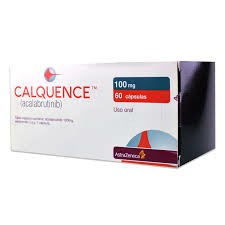
The positive CHMP recommendation further strengthens the potential of acotinib to advance first-line treatment options in MCL, with the acotinib combination showing an improvement in PFS of nearly 1.5 years in this setting. If approved, acotinib has the potential to change the standard of care, becoming the first BTK inhibitor approved for these patients in Europe. In January 2025, the U.S. Food and Drug Administration (FDA) approved acotinib in combination with BR to treat adult patients with previously untreated MCL who are not eligible for ASCT.
PivotalECHO trial results show the acotinib combination has significant benefit in treating this rare and aggressive cancer. Today's [CHMP] recommendations are an important advance in the field of first-line treatment of MCL, especially for older patients who need to balance efficacy and tolerability.
The ECHO study was a randomized, double-blind, placebo-controlled, multicenter, Phase 3 trial evaluating the efficacy and safety of acotinib plus BR versus BR alone in adult patients 65 years or older with previously untreated MCL. Eligible participants were required to have histologically confirmed MCL with documented t(11;14)(q13;q32) chromosomal translocation and/or overexpression of cyclin D1, as well as other relevant markers such as CD5, CD19, CD20, and PAX5. The patient was required to undergo MCL treatment and was unaware of previous systemic anticancer treatments. Other inclusion criteria included ECOG performance status of 0 to 2.
Key exclusion criteria include severe cardiovascular disease, such as uncontrolled arrhythmias, recent myocardial infarction (within 6 months) or grade 3/4 heart failure, and a corrected QT interval greater than 480 milliseconds. Patients with poorly controlled gastrointestinal disease that may affect drug absorption, active malignancy involving the gastrointestinal tract, or previous gastric or small bowel resection that may impair drug bioavailability were also excluded.
Patients were randomly assigned in a 1:1 ratio to receive acotinib or placebo orally twice daily until disease progression or unacceptable toxicity. In addition, all patients received bendamustine on days 1 and 2 and rituximab on day 1 of each cycle for a total of 6 cycles of 28 days. If the patient achieved a response after induction therapy, he continued to receive rituximab for 2 years. The primary endpoint was PFS as assessed by an independent review committee; other efficacy endpoints included overall survival, overall response rate, duration of response, and time to response.
Reference materials:https://www.onclive.com/view/first-line-acalabrutinib-plus-br-receives-chmp-recommendation-for-mantle-cell-lymphoma
[ 免责声明 ] 本页面内容来自公开渠道(如FDA官网、Drugs官网、原研药厂官网等),仅供持有医疗专业资质的人员用于医学药学研究参考,不构成任何治疗建议或药品推荐。所涉药品可能未在中国大陆获批上市,不适用于中国境内销售和使用。如需治疗,请咨询正规医疗机构。本站不提供药品销售或代购服务。


