
.jpeg)
The OS of SBRT plus sorafenib/Nexavar in HCC is higher than that of sorafenib alone
Liver recurrence is common in patients with hepatocellular carcinoma (HCC) after systemic therapy. Therefore, the recent RTOG 1112 phase III clinical trial aimed to explore whether stereotactic body radiation therapy (SBRT) before systemic therapy can improve overall survival (OS) in patients with locally advanced HCC. The multicenter trial enrolled a total of 177 eligible patients with HCC who were ineligible or refractory to standard locoregional therapy and who were candidates for first-line systemic therapy.
In the trial, patients were randomly assigned to two groups to receive either sorafenib/Nexavar (Sorafenib) or SBRT in a 1:1 ratio, followed by sorafenib. Stratification was based on patient performance status, liver function, extent of metastasis, and macrovascular invasion.
The primary endpoint of the study is overall survival (OS), while secondary endpoints include progression-free survival (PFS), adverse events and quality of life (QOL). During the treatment, the patient received 5 fractions of SBRT ranging from 27.5 to 50 Gy. Of note, large vessel invasion was found in 131 (74%) of 177 patients.
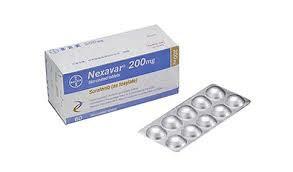
According to the latest data, the median OS in the sorafenib group was 12.3 months (90% CI, 10.6-14.3), while the median OS for patients who received SBRT plus sorafenib was 12.3 months (90% CI, 10.6-14.3). S improved to 15.8 months (90% CI, 11.4-19.2), demonstrating the potential of SBRT in improving survival (HR, 0.77; 90% CI, 0.59-1.01; one-sided P=0.06). After further adjusting for stratification factors, SBRT showed a significant improvement in overall survival (HR, 0.72; 95% CI, 0.52-0.99; two-sided P=0.04). In addition, the median PFS also significantly improved from 5.5 months (95% CI, 3.4-6.3) in the sorafenib group to 9.2 months (95% CI, 7.5-11.9) in the SBRT plus sorafenib group (HR, 0.55; 95% CI, 0.40-0.75; two-sided P < 0.001).
In terms of safety, 37 out of 88 patients (42%) and 39 out of 83 patients (47%) treated with SBRT plus sorafenib experienced grade 3 or higher treatment-related adverse events, respectively (P=0.52). In the sorafenib group, there were two deaths due to treatment-related factors (the specific cause was unspecified, including liver failure), while in the SBRT and sorafenib group there was one death due to lung infection.
In terms of quality of life, 2 of 20 patients (10%) who received sorafenib andSBRT reported an improvement in quality of life at 6 months, while 6 of 17 patients (35%) in the SBRT plus sorafenib group showed improvement in quality of life. This shows that although SBRT combined with sorafenib did not show a statistically significant improvement in OS compared with sorafenib alone, it was associated with a clinically important improvement in survival rate, suggesting that it may have certain clinical value in improving patients' quality of life and survival.
Reference materials:https://www.gioncologynow.com/post/sbrt-plus-sorafenib-boosts-os-over-sorafenib-alone-for-hcc
[ 免责声明 ] 本页面内容来自公开渠道(如FDA官网、Drugs官网、原研药厂官网等),仅供持有医疗专业资质的人员用于医学药学研究参考,不构成任何治疗建议或药品推荐。所涉药品可能未在中国大陆获批上市,不适用于中国境内销售和使用。如需治疗,请咨询正规医疗机构。本站不提供药品销售或代购服务。


