
.jpeg)
What does the package insert for Rubicatin (Rubitidine) contain? Detailed instructions on dosage and side effects
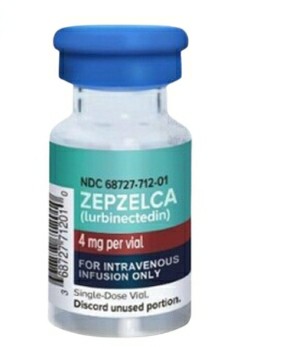
Lubicatin (Lurbinectedin, trade name: lubitidine) is a new type of anti-cancer drug. It is a type of DNA repair inhibitor among anti-tumor drugs. It is mainly used to treat a variety of cancers, including small cell lung cancer, ovarian cancer and other solid tumors. It inhibits the proliferation and growth of tumor cells by selectively inhibiting the DNA repair mechanism and destroying the DNA of tumor cells. The following are the main contents of the instructions for use of Rubicatin, including detailed instructions on how to take it and side effects.
1. Indications
Rubicatin (rubitin) is approved for the treatment of locally advanced or metastatic small cell lung cancer (SCLC), particularly in patients whose disease has progressed despite first-line chemotherapy. In addition, it is also being used in clinical trials for other types of solid tumors, such as ovarian cancer, soft tissue sarcoma, and others. Rubicatin achieves anti-tumor effects by selectively binding to the DNA of tumor cells and inhibiting the DNA repair of tumor cells.
2. How to use
Rubicatin is usually used by intravenous infusion. The specific medication method and dosage should be adjusted according to the patient's condition and the doctor's advice.
Regular dosage for adults: The standard dose of rubicatin is 3.2 mg per square meter of body surface area, usually given as an intravenous infusion every three weeks. The administration time of the injection is approximately 60 minutes. Patients should not adjust the dose or frequency of administration on their own and must follow the doctor's instructions.
Mode of administration: Rubicatin should be administered by intravenous infusion and not by mouth. Once the drug is dissolved, it is usually diluted with saline or glucose solution. Before each infusion, the physician will evaluate the need for dosage adjustments based on the patient's weight, physical condition, and response to treatment.
Treatment cycle: The treatment cycle of Rubicatin is usually once every 3 weeks, and the treatment cycle may be adjusted due to individual differences. Patients should follow doctor's instructions for regular check-ups to ensure efficacy and detect any side effects.
Withholding Treatment: If a patient experiences serious side effects during treatment, treatment may need to be suspended or the dose reduced. The doctor will decide whether to continue treatment or adjust the dose based on the patient's specific situation.
3. Common side effects
Rubicatin side effects may vary based on individual differences, drug dosage, and dosing schedule. Common side effects include but are not limited to the following:
Myelosuppression: One of the most common side effects of rubicatin is myelosuppression, specifically a decrease in white blood cells, red blood cells, and platelets. This may cause patients to experience symptoms such as anemia, bleeding tendencies, and reduced immunity. During the treatment process, patients should undergo regular blood routine examinations to keep abreast of changes in blood cells. If abnormalities in hematological indicators are found, the doctor may adjust the dose or suspend treatment based on the patient's specific condition.
Digestive system reactions: including nausea, vomiting, loss of appetite and diarrhea. Most digestive side effects are mild or moderate and can usually be relieved with symptomatic treatment. During the treatment process, patients should try to avoid greasy and spicy foods and maintain good eating habits to reduce gastrointestinal discomfort.
Hepatic Impairment: Rubicatin may cause abnormal liver function, manifested by elevated liver enzymes. Patients should monitor liver function regularly and inform their doctor promptly if symptoms such as jaundice, fatigue, or pain in the liver area are found. If liver function is severely impaired, your doctor may suspend treatment or adjust the dose.
Infections: Because rubicatin may cause bone marrow suppression, leading to reduced immune system function, patients may be more susceptible to infections during treatment. Common infections include upper respiratory tract infections, urinary tract infections, etc. Patients should maintain good personal hygiene, avoid contact with people at risk of infection, and seek medical treatment promptly when symptoms of infection such as fever, cough, and frequent urination occur.
Hair loss: Like many chemotherapy drugs, rubicatin may cause hair loss. This is usually temporary and hair will grow back after treatment is completed, but some patients may experience longer periods of hair loss. Patients should be mentally prepared to avoid hair loss affecting their self-confidence.
Fatigue: Some patients may experience extreme fatigue during treatment with Rubicatin, which affects their daily lives. Patients can rest appropriately and avoid overexertion to relieve fatigue. If fatigue symptoms are severe, patients should communicate with their doctor to seek appropriate countermeasures.
4. Precautions
Renal Impairment: Rubicatin should be used with caution in patients with renal impairment. Because the metabolism and excretion of rubicatin may be affected by renal function, it is recommended that the patient's renal function be evaluated before treatment. If the patient's renal function is severely impaired, the dose should be adjusted or treatment should be suspended.
Pregnancy and Breastfeeding: The safety of rubicatine in pregnant women has not been fully established and its use during pregnancy is not recommended. Breastfeeding women should avoid the use of rubicatine because the drug may be excreted in breast milk and affect the health of the baby. If you are planning to become pregnant or are breastfeeding, you should inform your doctor to adjust your treatment plan.
Drug Interactions: Rubicatin may interact with other drugs, especially those related to liver enzyme systems. Patients should inform their doctor about all medications they are taking, including prescription drugs, over-the-counter drugs, herbal medicines, etc., before starting treatment to avoid adverse drug interactions.
Monitoring of adverse reactions: During the period of using Rubicatin, patients need to undergo regular physical examinations and blood tests, especially monitoring of blood routine, liver function, kidney function and other indicators, in order to detect side effects in a timely manner and take corresponding measures.
In summary, rubicatin, as a new anti-tumor drug, can provide an effective treatment option for patients with a variety of advanced cancers. However, during use, patients need to strictly follow the doctor's instructions, conduct necessary examinations regularly, and actively deal with possible side effects. Through reasonable medication management and monitoring, most side effects can be effectively controlled, and the patient's therapeutic effect and quality of life can be guaranteed.
Reference materials:https://www.zepzelca.com/
[ 免责声明 ] 本页面内容来自公开渠道(如FDA官网、Drugs官网、原研药厂官网等),仅供持有医疗专业资质的人员用于医学药学研究参考,不构成任何治疗建议或药品推荐。所涉药品可能未在中国大陆获批上市,不适用于中国境内销售和使用。如需治疗,请咨询正规医疗机构。本站不提供药品销售或代购服务。


