
.jpeg)
What are the main contents in the instructions for Afatinib?
Afatinib (Afatinib) is an oral second-generation epidermal growth factor receptor (EGFR) tyrosine kinase inhibitor (TKITKI pan>), is widely used in the treatment of patients with EGFR gene mutation-positive non-small cell lung cancer (NSCLC). Its trade name is Giteri and it was developed by Boehringer Ingelheim in Germany. As a targeted therapy drug, afatinib has been approved for marketing in many countries and regions, and has been included in the medical insurance catalog in my country, which has a good basis for clinical use. The following is the main content of the Chinese instructions for afatinib, covering drug indications, usage and dosage, adverse reactions, precautions, and drug interactions.
1. Indications
Afatinib is mainly suitable for the treatment of patients with advanced or metastatic non-small cell lung cancer who carry EGFR gene-sensitive mutations (such as Exon 19 deletions or L858R mutations). It is also approved for the treatment of patients who have progressed on prior treatment with an EGFR TKI, particularly if they are resistant to first-generation EGFR inhibitors (eg, gefitinib, erlotinib). Some guidelines also include it in first-line drug recommendations for patients with brain metastases.
2. Usage and dosage
The recommended starting dose of afatinib is 40 mg per day, administered orally, once a day, on an empty stomach (at least 1 hour before a meal or 2 hours after a meal). If the patient tolerates the drug well but does not respond well, the physician may consider increasing the dose to 50 mg per day. However, if serious adverse reactions occur, such as diarrhea, rash or oral mucositis, the dose needs to be adjusted according to the degree of toxicity. Common dose reduction plans include reducing to 30mg/day or 20mg/day. Dosage adjustment should be carried out under the guidance of a doctor, and unauthorized increase or decrease in dosage is strictly prohibited.
3. Adverse reactions
The adverse reactions of afatinib are similar to otherEGFR TKIs, but the incidence of some toxicities is higher, especially skin and gastrointestinal reactions. Common adverse reactions include:
Diarrhea: The most common side effect, most of which are mild to moderate, can be relieved by oral antidiarrheal drugs (such as loperamide).
Rash: including acne-like rash, dry skin, itching, etc., which may affect the patient's quality of life in severe cases.
Stomatitis and mucositis: manifested as oral ulcers and pain, which can affect eating.
Nail lesions: such as paronychia, brittle nails, etc.
Abnormal liver function: Occasionally elevated transaminases.
Others: including fatigue, loss of appetite, eye discomfort, etc.
The above adverse reactions should be dealt with in a timely manner according to the severity, and the drug dose should be suspended or reduced if necessary.
4. Precautions
Although afatinib has remarkable efficacy, you still need to pay attention to the following aspects during its use:
Gene testing first: Before using afatinib, EGFR gene mutation testing should be performed to confirm the presence of sensitive mutations before use to improve the therapeutic effect.
Regular monitoring: During treatment, liver function, electrolytes, kidney function and other indicators should be checked regularly to detect potential toxic reactions as early as possible.
Bowel management: Because of the high incidence of diarrhea, patients should be instructed on regular antidiarrheal medications to avoid electrolyte imbalance or dehydration.
Contraindications in pregnancy: Afatinib may have adverse effects on the fetus. Women of childbearing age should take effective contraceptive measures while taking the drug.
Pulmonary adverse reactions: A very small number of patients may develop interstitial lung disease-like changes, and should be promptly identified and discontinued.
5. Drug interactions
Afatinib is mainly metabolized through bile excretion and gastrointestinal pathways, and has less interaction with the liver enzymeCYP system, but it is still necessary to note that some drugs may affect its absorption or excretion. For example:
Concomitant use with proton pump inhibitors (such as omeprazole) may reduce their bioavailability and long-term concurrent use should be avoided.
PotentP-gpInhibitors or inducers (such as rifampicin, verapamil) may affect drug concentrations and require close monitoring during use.
OtherEGFR inhibitors should be avoided to be used simultaneously to avoid additive toxicity.
6. Storage and packaging
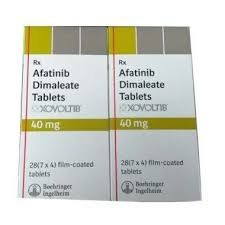
Afatinib should be stored in a sealed, dry and cool place to avoid moisture and high temperature environments. Common specifications are 40mg tablets, which are distributed according to a doctor's prescription.
In summary, afatinib is an EGFR-targeted drug with clear efficacy and unique mechanism, and is suitable for patients with specific types of non-small cell lung cancer. Since it may cause certain adverse reactions and require dosage adjustment, it should be used under the guidance of a doctor, and the medication process should be closely monitored to ensure the safety and effectiveness of the treatment. At the same time, patients should also actively cooperate with follow-up and management to improve their quality of life and extend their survival.
References:https://www.giotrif.com/
[ 免责声明 ] 本页面内容来自公开渠道(如FDA官网、Drugs官网、原研药厂官网等),仅供持有医疗专业资质的人员用于医学药学研究参考,不构成任何治疗建议或药品推荐。所涉药品可能未在中国大陆获批上市,不适用于中国境内销售和使用。如需治疗,请咨询正规医疗机构。本站不提供药品销售或代购服务。


