
.jpeg)
What is the therapeutic effect of durvalumab and what is the clinical feedback?
Durvalumab/Durvalumab is a PD-L1 inhibitor and one of the important breakthrough drugs in the field of tumor immunotherapy in recent years. Its mechanism of action is to block the binding between PD-L1 and the PD-1 receptor, thereby lifting the immune suppression of T cells and restoring the body's immune recognition and killing functions of tumor cells. As a member of the immune checkpoint inhibitor family, durvalumab has shown good clinical prospects in a variety of tumor types, especially in the field of unresectable locally advanced non-small cell lung cancer (NSCLC). Its greatest clinical value lies in providing the possibility of long-term survival for some patients for whom traditional treatments are ineffective.
From the perspective of therapeutic effect, durvalumab is widely used as maintenance treatment for NSCLC patients who have not progressed after radiotherapy and chemotherapy. It is one of the standard regimens recommended by international guidelines. After patients complete concurrent chemoradiotherapy, the use of durvalumab can significantly prolong progression-free survival and improve overall survival rate. Its therapeutic mechanism does not rely on directly killing tumor cells, but by activating the patient's own immune system to monitor residual cancer cells for a long time to achieve the purpose of controlling tumor recurrence and metastasis. Clinical feedback generally shows that the drug is not only well tolerated by patients during the treatment process, but also has a relatively low incidence of side effects during the maintenance treatment phase, making it easy for long-term use. Especially in the asymptomatic progression phase, durvalumab can gain valuable treatment windows for patients by prolonging the stable phase.
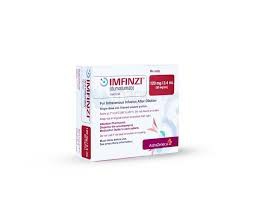
In practical applications, the fixed-dose regimen of durvalumab (e.g.1500 mg once every four weeks) has also been highly praised by clinicians. Compared with the traditional weight-based dosing method, the fixed-dose mode simplifies the medication process, improves the medication efficiency of medical institutions, and also contributes to patient medication compliance. More importantly, this dosage regimen has been approved by regulatory agencies around the world for multiple indications, including authoritative agencies such as the FDA and EMA, further confirming the stability and replicability of its efficacy.
In addition to lung cancer, durvalumab also shows positive promise in a variety of malignant tumors such as urinary system tumors, liver cancer, and head and neck squamous cell carcinoma. Particularly in patients with urothelial carcinoma, durvalumab has demonstrated sustained clinical benefit in disease control as part of first-line or maintenance therapy. While approvals for some indications still vary by country or region, accumulation of real-world data and clinical observations around the world is increasing understanding of its therapeutic potential.
Of course, immunotherapy is not a panacea, and durvalumab also has certain limitations. Some patients may suffer from internal The expression level of PD-L1 is low or the tumor microenvironmental factors affect the response to this type of drugs. In addition, immune-related adverse reactions, although less frequent, may also lead to severe organ inflammation in some individuals, such as immune pneumonitis, hepatitis, or thyroid dysfunction. Therefore, clinically, it is necessary to closely monitor the patient's immune status during treatment, deal with potential side effects in a timely manner, and ensure safety.
Reference materials:https://www.imfinzi.com/
[ 免责声明 ] 本页面内容来自公开渠道(如FDA官网、Drugs官网、原研药厂官网等),仅供持有医疗专业资质的人员用于医学药学研究参考,不构成任何治疗建议或药品推荐。所涉药品可能未在中国大陆获批上市,不适用于中国境内销售和使用。如需治疗,请咨询正规医疗机构。本站不提供药品销售或代购服务。


