
.jpeg)
Ribociclib/Ribociclib’s main mechanism of action and efficacy
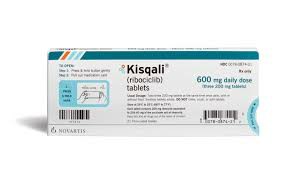
Ribociclib, trade name Kisqali, is an oral targeted anti-cancer drug that is a selective CDK4/6 inhibitor. It is specifically used to treat HR-positive, HER2-negative advanced or metastatic breast cancer and is often used in combination with an aromatase inhibitor or fulvestrant. Since its approval by the U.S. FDA in 2017, Riboxiclib has become one of the important representatives in the field of CDK4/6 inhibitors. Its clear mechanism of action and wide range of clinical benefits make it occupy an important position in international breast cancer treatment guidelines.
The main targets of Riboxiclib are cyclin-dependent kinases4 and 6 (CDK4/6). In breast cancer cells, CDK4/6 combines with cyclin D to phosphorylate the retinoblastoma protein (Rb protein), thereby prompting the cells to enter the S phase from the G1 phase, complete DNA replication, and continue to divide. The malignant growth of many breast cancer cells relies on the continued activation of this pathway. Riboxiclib highly selectively inhibits the activity of CDK4/6 and maintains Rb protein in an unphosphorylated state, thus blocking cell cycle progression and inducing tumor cells to stagnant in the G1 phase, thereby inhibiting cancer cell proliferation. This mechanism of action does not rely on cytotoxicity, but focuses on cell cycle regulation, so it retains the efficacy while less damaging to normal tissue cells.
In terms of clinical efficacy, the earliest key research on Riboxiclib came from three global multi-center phase III trials in the MONALEESA series The MONALEESA-2 study showed that in postmenopausal patients with HR+/HER2– metastatic breast cancer without endocrine therapy, reboxiclib combined with letrozole significantly prolonged progression-free survival (PFS) to 25.3 months, compared with only 16 months in the letrozole alone group, with a hazard ratio of 0.568, showing a nearly 45% reduction in the risk of disease progression. MONALEESA-7 specifically targeted premenopausal women and found that the median PFS of the reboxil group combined with endocrine therapy reached 23.8 months and significantly improved overall survival (OS), which is an unprecedented result in this population.
The clinical advantages of Riboxil are not limited to prolonging PFS and OS. It also has obvious advantages in terms of disease control rate (DCR), objective response rate (ORR) and improvement of quality of life. According to the long-term follow-up data of the MONALEESA-3 study, the combination of ribociclib and fulvestrant can still significantly improve PFS and OS in patients who have previously received one type of endocrine therapy, indicating that it has broad application potential in both first-line and second-line treatments. Compared with other CDK4/6 inhibitors such as Palbociclib and Abemaciclib, Ribociclib has the clearest data on overall survival benefit and is considered to have a better long-term survival advantage.
In terms of drug safety, the main adverse reactions of Riboxiclib include neutropenia, elevated liver enzymes, fatigue, nausea, etc. Most of them are reversible and controllable adverse reactions, and patients can usually continue maintenance treatment through dose adjustment or treatment intervals. Due to its potential risk of QT interval prolongation, ECG and electrolyte levels need to be monitored regularly during use, especially when other drugs that affect the QT interval are used together with caution.
Reference materials:https://us.kisqali.com/
[ 免责声明 ] 本页面内容来自公开渠道(如FDA官网、Drugs官网、原研药厂官网等),仅供持有医疗专业资质的人员用于医学药学研究参考,不构成任何治疗建议或药品推荐。所涉药品可能未在中国大陆获批上市,不适用于中国境内销售和使用。如需治疗,请咨询正规医疗机构。本站不提供药品销售或代购服务。


