
.jpeg)
Common adverse reactions and treatment methods when treating nephritis with sparsentan
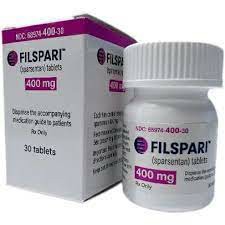
Sparsentan, also known as sparsentan, is a new type of dual receptor antagonist that blocks endothelin receptor A (ETA) and angiotensin II receptor 1 type ( AT1R) dual mechanism, mainly used to treat chronic kidney diseases related to proteinuria, especially chronic primary nephritis with proteinuria such as focal segmental glomerulosclerosis (FSGS) and IgA nephropathy. Sparsentane has shown good efficacy in reducing urinary protein and delaying the deterioration of renal function. However, as a prescription drug, sparsentan is also associated with certain adverse reactions, especially during long-term treatment. Patients and doctors need to monitor closely and respond appropriately.
1. Common types of adverse reactions
1.Hypotension: Because sparsentan has the effect of dilating blood vessels, its angiotensinII receptor 1 type antagonistic mechanism may cause patients to experience a drop in blood pressure. This is especially obvious in the early stages of use, and some patients may experience symptoms related to hypotension such as dizziness, fatigue, and palpitations. For patients with low blood pressure, the risk is relatively higher.
2.Eedema: InhibitingETA receptors will reduce vasoconstriction and increase vascular permeability, which may lead to peripheral edema, often manifested as edema of the lower limbs or sudden weight gain. Some patients even experience symptoms of eyelid edema or ascites, which affects their quality of life.
3.Hyperkalemia: Inhibiting the angiotensin pathway may interfere with potassium metabolism, causing an increase in serum potassium levels. Mild cases may be asymptomatic, while severe cases may develop serious complications such as irregular heartbeat, muscle weakness, and even cardiac arrest.
4.Abnormal liver function: In some patients, liver function abnormalities such as elevated transaminases may occur during the use of sparsentane. Although most are mild or reversible, they still require concern, especially in those with a history of liver disease.
5.Anemia or decreased hemoglobin: Long-term use of sparsentan may affect renin-The angiotensin system regulates the function of erythropoietin, resulting in mild anemia. In addition, the drugs themselves may also affect bone marrow function to a certain extent.
2. How to deal with adverse reactions
1.Coping with hypotension: In the early stages of medication, it is recommended to start with a smaller dose and closely monitor changes in blood pressure. If obvious symptoms of hypotension occur, the dose should be adjusted appropriately and treatment suspended if necessary. At the same time, avoid using it at the same time with other antihypertensive drugs, or rationally adjust the combined medication regimen.
2. Edema management: Mild edema can be relieved by limiting sodium intake and increasing body position changes (such as raising lower limbs). If edema is severe, short-term application of diuretics, such as furosemide, may be needed to control symptoms. However, it should be noted that diuretics may aggravate electrolyte imbalance or worsen renal function, and their use needs to be weighed.
3.Monitoring blood potassium levels: Regularly checking blood potassium levels is a very critical management measure. For patients with mild to moderate hyperkalemia, intervention can be carried out by controlling the intake of potassium-rich foods (such as bananas, oranges, nuts, etc.) and increasing potassium excretion measures (such as the application of diuretics). Severe cases require emergency treatment, including the application of calcium, insulin-glucose combination, or dialysis.
4.Liver function monitoring and protection: Before using sparsentan, baseline liver function should be checked, and liver function indicators should be rechecked every 1 to 2 months during treatment. If the transaminase is found to be elevated more than 3 times the normal upper limit, the medication should be suspended or the dose should be adjusted, and other causative factors should be investigated. Sparsentane should be used with special caution if the patient has a history of hepatitis or cirrhosis.
5. Pay attention to changes in hemoglobin: During treatment, it is recommended to check blood routine regularly, especially the hemoglobin level. If a significant decrease is found, it should be evaluated whether it is caused by the drug, and iron supplementation or treatment adjustment should be considered.
3. Precautions for combined medication
Spaxentan is often used in combination with other drugs (such as ACEI, ARB, calcium channel blockers, etc.), but synergistic side effects between drugs need to be avoided. For example, coadministration with other inhibitors of the RAAS system may significantly increase the risk of hyperkalemia and worsening of renal function. Combined use with certain CYP3A enzyme inhibitors may also affect the metabolism of spaxentan, leading to an increase in blood concentration and increased toxic and side effects. Therefore, special attention should be paid to drug-drug interactions when prescribing.
As a new drug targeting proteinuria, sparsentan shows good prospects in the field of chronic kidney disease and can significantly reduce urinary protein and delay the decline of renal function. However, its use is indeed accompanied by certain adverse reactions, including hypotension, edema, hyperkalemia, abnormal liver function, and anemia. Therefore, a standardized medication monitoring mechanism should be established clinically to detect and intervene in adverse reactions in a timely manner.
Patients should comprehensively assess their physical condition before using sparsentane, maintain close communication with their doctors during treatment, and regularly review blood pressure, electrolytes, liver and kidney function, and blood routine indicators to achieve safe and efficient treatment goals. For high-risk groups, such as the elderly, patients with liver disease, and those with a history of severe hyperkalemia, medication adaptability should be carefully considered and treatment strategies adjusted individually. Correctly understanding and handling the adverse reactions of sparsentane can help patients obtain maximum treatment benefits and delay the progression of kidney disease.
Reference materials:https://www.sparsentan.com/
[ 免责声明 ] 本页面内容来自公开渠道(如FDA官网、Drugs官网、原研药厂官网等),仅供持有医疗专业资质的人员用于医学药学研究参考,不构成任何治疗建议或药品推荐。所涉药品可能未在中国大陆获批上市,不适用于中国境内销售和使用。如需治疗,请咨询正规医疗机构。本站不提供药品销售或代购服务。


