
.jpeg)
What types of nephritis can be treated with sparsentan? Treatment effects and indications
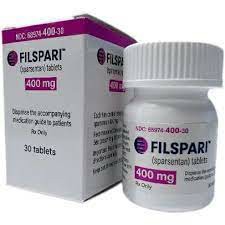
Sparsentan (also known as sparsentan) is a new dual receptor antagonist that mainly targets angiotensin II Type 1 receptor (AT1R) and endothelinA receptor (ETAR), are designed to treat chronic kidney disease caused by proteinuria. The drug is currently mainly used to treat two types of rare nephritis:IgA nephropathy (IgAN) and focal segmental glomerulosclerosis (FSGS). Both diseases are characterized by chronic proteinuria and may gradually progress to end-stage renal disease.
InIgA nephropathy, immune complexes in patients are deposited in the glomeruli, triggering inflammatory reactions and glomerulosclerosis, leading to persistent proteinuria and worsening of renal function. Sparsentane can reduce glomerular hypertension and inflammation by blocking two major pathways: RAAS and the endothelin system, thereby effectively reducing proteinuria levels. According to recent clinical trial results (such as the PROTECT study), sparsentan has shown a significant reduction in proteinuria in patients with IgA nephropathy. Compared with traditional ACEI drugs (such as ramipril), the improvement in proteinuria is greater, and the effect is seen early in the treatment.
As forFSGS, this is a pathological type characterized by partial sclerosis of the glomeruli, often accompanied by massive proteinuria and rapid deterioration of renal function. Sparsentane also shows clinical potential in the treatment of FSGS. It affects hemodynamics and cellular inflammatory response through dual mechanisms, reducing mechanical stress on glomeruli and fibrosis process, thereby slowing down kidney damage. The DUET study is one of the key studies of the drug's use in FSGS. The results show that patients' proteinuria levels dropped significantly after using sparsentan, and some patients even reached the clinical standard for partial remission of proteinuria.
Currently, sparsentan has received accelerated approval from the U.S.FDA for the treatment of patients with proteinuria.IgAKidney disease patients are expected to be expanded to FSGS and other indications for proteinuric kidney disease in the future. Although the long-term efficacy and safety need to be further verified through more studies, existing data show that it is well tolerated and the adverse reactions are generally mild, mainly including hypotension, edema, mild liver enzyme elevation, etc. For patients with early or intermediate IgA nephropathy and FSGS, spaxentan may provide a more targeted treatment option that can help delay deterioration of kidney function and improve quality of life.
Reference materials:https://www.sparsentan.com/
[ 免责声明 ] 本页面内容来自公开渠道(如FDA官网、Drugs官网、原研药厂官网等),仅供持有医疗专业资质的人员用于医学药学研究参考,不构成任何治疗建议或药品推荐。所涉药品可能未在中国大陆获批上市,不适用于中国境内销售和使用。如需治疗,请咨询正规医疗机构。本站不提供药品销售或代购服务。


