
.jpeg)
How long does it take to take fenelidone to reduce urinary protein? Treatment effect and time evaluation
Finerenone (Finerenone) is a selective mineral corticosteroid receptor antagonist (MRA), mainly used to treat patients with chronic kidney disease (CKD) and diabetes, especially those with significant proteinuria. By inhibiting mineral corticosteroid receptors, fenelidone reduces the inflammatory response associated with hyperglycemia and kidney damage, thereby reducing urinary protein excretion and protecting kidney function. During treatment, the effects of fenelinone may vary depending on the patient's condition, underlying diseases, and drug tolerance.
For most patients taking fenelidone, its urinary protein-lowering effect usually takes some time to appear. According to clinical studies, it usually takes about 4 to 6 weeks for fenelidone to begin to show a certain effect in lowering urinary protein. Although some patients may begin to experience significant reductions in urine protein levels within a shorter period of time (2 to 4 weeks), full effects usually require longer periods of observation. At the beginning of treatment, patients may not feel an immediate reduction in urinary protein, but as treatment continues, the amount of urinary protein usually decreases and the condition becomes stable.
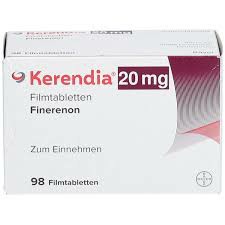
The urinary protein-lowering effect of fenelidone is not only reflected in short-term use, but long-term use can further consolidate the efficacy. In studies, patients taking fenelidone for 6 months or longer had a significant reduction in urinary protein and maintained it at a low level. This suggests that the effect of fenelinone on reducing urinary protein is sustained. Long-term treatment can not only significantly reduce urinary protein excretion, but also help delay the progression of chronic kidney disease and reduce the risk of end-stage renal disease.
The effectiveness of treatment is usually assessed by regular monitoring of urine protein levels and renal function (eg, creatinine levels). During fenelidone treatment, patients need to undergo regular urine testing to ensure that urine protein levels are reduced and kidney function is stable. A reduction in urinary protein is often considered a sign of treatment success, but it is not the only evaluation criterion. The patient's symptom relief, blood pressure control, changes in renal function, etc. also need to be considered comprehensively. The doctor will adjust the treatment plan based on the patient's clinical manifestations and laboratory test results to obtain the best treatment effect.
Reference materials:https://www.kerendia.com/
[ 免责声明 ] 本页面内容来自公开渠道(如FDA官网、Drugs官网、原研药厂官网等),仅供持有医疗专业资质的人员用于医学药学研究参考,不构成任何治疗建议或药品推荐。所涉药品可能未在中国大陆获批上市,不适用于中国境内销售和使用。如需治疗,请咨询正规医疗机构。本站不提供药品销售或代购服务。


