
.jpeg)
What should I do if clofazimine causes skin to darken? How to prevent it while taking medication
Clofazimine (Clofazimine) is an antibiotic drug used to treatleprosy (especially multibacillary leprosy) and certain non-tuberculous mycobacterial infections. It belongs to the phenazine dye class of drugs. Its unique pharmacological structure determines that it is extremely lipophilic and is easily deposited in sebaceous glands, macrophages and skin tissues for a long time. This tissue distribution characteristic is the primary cause of skin darkening (pigmentation). In clinical practice, more than 75% of patients who use clofazimine for a long time will experience varying degrees of skin discoloration. The color may gradually deepen from light reddish brown to dark brown or even black, especially in areas exposed to light such as the face, limbs and other areas. Although this adverse reaction is usually a reversible process, skin color recovery may take several months or even more than a year, depending on the dose, duration of use, and individual metabolic differences.
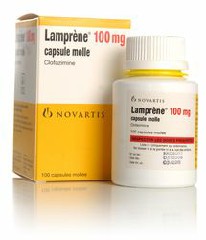
In order to reduce the risk of skin darkening, a professional doctor should first assess the necessity of clofazimine use in the early stages of medication to avoid inappropriate or over-treatment. Secondly, try to use the lowest effective dose and shorten the course of treatment to avoid long-term use of high doses, because the risk of pigmentation is positively related to dose and exposure time. During the medication period, patients are advised to avoid intense sun exposure and should use sunscreen, parasols and long-sleeved clothing when going out to reduce pigmentation induced by ultraviolet rays. Additionally, keeping your skin clean and avoiding harsh cosmetics or skin care products can also help slow down the pigmentation process.
For patients who have already experienced skin darkening, there is generally no need to stop taking the drug immediately unless accompanied by emotional distress or other serious adverse reactions. After stopping the drug, most pigmentation will gradually subside. Individual patients can use whitening skin care products or low-concentration fruit acids under the guidance of a doctor for auxiliary improvement, but they are not allowed to use hormones or exfoliating products without authorization to avoid causing skin inflammation or damage. If skin discoloration has a significant impact on the patient's psychology, he should seek professional support from dermatology and psychology departments in a timely manner to achieve more comprehensive treatment and quality of life management.
Reference materials:https://www.novartis.com/our-products/pipeline/clofazimine
[ 免责声明 ] 本页面内容来自公开渠道(如FDA官网、Drugs官网、原研药厂官网等),仅供持有医疗专业资质的人员用于医学药学研究参考,不构成任何治疗建议或药品推荐。所涉药品可能未在中国大陆获批上市,不适用于中国境内销售和使用。如需治疗,请咨询正规医疗机构。本站不提供药品销售或代购服务。


