
.jpeg)
What are the common side effects and contraindications of regorafenib?
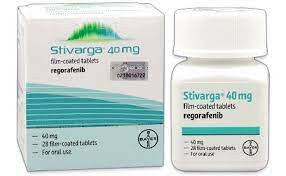
Regorafenib is a multi-target tyrosine kinase inhibitor mainly used to treat a variety of advanced or metastatic cancers, such as colorectal cancer, gastrointestinal stromal tumor (GIST), hepatocellular carcinoma, etc. Regorafenib blocks the proliferation, angiogenesis and metastasis of cancer cells by inhibiting the kinase activity of multiple receptors, thereby inhibiting tumor growth. However, as a chemotherapy drug, the use of regorafenib is also accompanied by some common side effects and contraindications. The following is a detailed description of the common side effects and contraindications of regorafenib.
Common side effects
1.Fatigue and weakness: Fatigue is one of the most common side effects of regorafenib. About40-50% of patients will feel exhausted. Patients often present with persistent or intermittent fatigue, which may affect daily life in severe cases. The cause of fatigue may be related to drugs inhibiting normal cell division and metabolism, immune system response, etc. To relieve fatigue, patients should ensure adequate rest, avoid overexertion, and communicate with their doctor whether the medication regimen needs to be adjusted.
2.Hypertension: Regofenib may cause hypertension due to its effect on the vascular endothelium. About 30% to 40% of patients will develop varying degrees of hypertension during treatment. Symptoms of high blood pressure include headache, dizziness, blurred vision, etc. If blood pressure rises beyond a certain range, antihypertensive treatment may be needed. Patients should monitor their blood pressure regularly and notify their doctor promptly if abnormalities are found.
3.Skin rash and hand-foot syndrome: Rash is a common skin side effect of regorafenib, usually manifesting as erythema, papules, itching, etc. Hand-foot syndrome is another common skin problem that usually presents with symptoms such as redness, swelling, peeling, and pain on the hands and feet, which may seriously affect the patient's quality of life. To reduce symptoms, patients can relieve discomfort by using moisturizers, avoiding exposure to the sun, and using soothing medications. If symptoms persist or worsen, treatment may need to be suspended or the dose adjusted.
4.Gastrointestinal symptoms: Gastrointestinal side effects of regorafenib include nausea, vomiting, loss of appetite, diarrhea and constipation. These symptoms are usually more common early in treatment and may improve as your body adjusts. To relieve gastrointestinal discomfort, patients can take medication after meals, avoid irritating foods, and maintain adequate fluid intake. For persistent or severe gastrointestinal discomfort, treatment may need to be adjusted.
5. Abnormal liver function: Regorafenib may cause abnormal liver function, manifested by elevated liver enzymes in the blood (such as ALT, AST). This side effect is usually reversible, but if a patient's liver enzyme levels rise significantly or are accompanied by symptoms such as jaundice, treatment may need to be paused or stopped. Patients need to regularly check their liver function during treatment to ensure timely detection of liver problems.
Taboo
1.Pregnancy and breastfeeding: Regorafenib should not be used during pregnancy because it may cause harm to the fetus. According to the classification of the drug, regorafenib is a drug with potential risks to the fetus. Therefore, pregnant women should avoid using this drug. Regorafenib is also not recommended for breastfeeding women because the drug may be passed to the baby through breast milk and may have adverse effects on the baby. Women taking this medicine should use effective contraception and avoid becoming pregnant during treatment.
2.Patients with severe hepatic dysfunction: The metabolism of regorafenib is mainly through the liver. Therefore, the use of regorafenib in patients with severe hepatic dysfunction may result in excessive drug concentration and increase the risk of side effects. Regorafenib is not recommended in patients with hepatic failure or severe hepatic impairment. Before starting treatment, the doctor needs to evaluate the patient's liver function and decide whether this drug can be used based on the situation.
3.Patients with cardiovascular disease: Since regorafenib may cause cardiovascular side effects such as high blood pressure and increased heart burden, caution is required when using it in patients with severe cardiovascular disease (such as heart failure, coronary heart disease, etc.). Patients with cardiovascular disease should undergo a thorough evaluation and have cardiac function and blood pressure monitored closely during treatment.
4.Drug allergy history: Regorafenib may cause allergic reactions to certain ingredients. The drug should be avoided if the patient has a known history of hypersensitivity to regorafenib or its components. Signs of an allergic reaction may include rash, difficulty breathing, swelling of the face or throat. If these symptoms occur, you should stop taking the medication and seek medical help immediately.
As an anti-cancer drug, regorafenib can effectively treat a variety of advanced cancers, but it is also associated with certain side effects and contraindications. Common side effects include fatigue, high blood pressure, rash, hand-foot syndrome, gastrointestinal symptoms, and abnormal liver function. Patients should pay close attention during treatment and promptly report any discomfort to their doctor. For pregnant and lactating women and patients with severe liver dysfunction, the use of regorafenib should be strictly limited. During the treatment process, patients need to undergo regular examinations under the guidance of a doctor to ensure the safety and effectiveness of drug use.
Reference materials:https://www.stivarga-us.com/
[ 免责声明 ] 本页面内容来自公开渠道(如FDA官网、Drugs官网、原研药厂官网等),仅供持有医疗专业资质的人员用于医学药学研究参考,不构成任何治疗建议或药品推荐。所涉药品可能未在中国大陆获批上市,不适用于中国境内销售和使用。如需治疗,请咨询正规医疗机构。本站不提供药品销售或代购服务。


