
.jpeg)
Detailed analysis of the mechanism of action and targets of regorafenib
Regorafenib is a multi-target small molecule tyrosine kinase inhibitor that is widely used to treat a variety of solid tumors. It exerts anti-tumor effects by simultaneously inhibiting multiple signaling pathways involved in tumor growth, angiogenesis, and tumor microenvironment regulation. The uniqueness of regorafenib lies in its broad target coverage, which allows it to combat multiple drug resistance mechanisms and exhibit good efficacy in the treatment of patients with advanced tumors.
In terms of mechanism of action, regorafenib works by blocking a series of key receptor tyrosine kinases (RTKs). These receptors include vascular endothelial growth factor receptors (VEGFR1, VEGFR2, VEGFR3) involved in angiogenesis, KIT, RET and PDGFR (platelet-derived growth factor receptor), as well as FGFR (fibroblast growth factor receptor) and CSF1R (colony-stimulating factor 1 receptor), which are involved in the regulation of the tumor microenvironment and tumor metastasis. By inhibiting these targets, regorafenib can simultaneously intervene in the blood supply of tumors, directly inhibit the growth of tumor cells and regulate the tumor microenvironment, achieving multiple anti-cancer effects.
In terms of anti-angiogenesis, regorafenib blocks the formation of new blood vessels by potently inhibiting the VEGFR1-3 signaling pathway. The growth of tumor tissue relies on new blood vessels to provide oxygen and nutrients. Regorafenib cuts off this supply, causing tumor ischemia and necrosis, thereby inhibiting tumor expansion. This anti-angiogenic property makes regorafenib particularly effective in the treatment of angiogenesis-dependent tumors such as hepatocellular carcinoma and colorectal cancer.
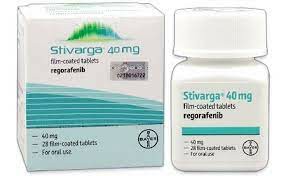
On the other hand, regorafenib also has a direct inhibitory effect on the tumor cells themselves. It interferes with important signal transduction pathways in tumor cells, inhibits cell proliferation and induces apoptosis by targeting receptors such as KIT, RET and PDGFR. For example, KIT mutations are common in patients with gastrointestinal stromal tumors (GIST). Regorafenib can effectively inhibit such mutations and delay disease progression. In addition, regorafenib also inhibits FGFR and CSF1R, affecting the activity of fibroblasts and immune cells in the tumor microenvironment, thereby reducing the secretion of tumor-promoting factors and further enhancing the anti-tumor effect.
It is worth mentioning that regorafenib can also overcome drug resistance problems in some tumors. In some patients who develop drug resistance after multiple rounds of treatment, regorafenib can still inhibit tumor progression through its multi-target mechanism. This is why regorafenib is often used to treat metastatic colorectal cancer, unresectable or metastatic gastrointestinal stromal tumors, and advanced hepatocellular carcinoma after failure of standard therapies.
In summary, regorafenib, as a multi-target inhibitor, shows strong anti-cancer potential through multiple mechanisms such as inhibiting angiogenesis, blocking tumor cell proliferation signals and regulating the tumor microenvironment. Its broad target distribution occupies a place in the treatment of a variety of advanced solid tumors, and also provides an important treatment option for patients facing complex tumor drug resistance mechanisms. With the continuous accumulation of clinical experience, the application scope of regorafenib is expected to be further expanded, helping more patients improve their quality of life and prolong their lives.
Reference materials:https://www.stivarga-us.com/
[ 免责声明 ] 本页面内容来自公开渠道(如FDA官网、Drugs官网、原研药厂官网等),仅供持有医疗专业资质的人员用于医学药学研究参考,不构成任何治疗建议或药品推荐。所涉药品可能未在中国大陆获批上市,不适用于中国境内销售和使用。如需治疗,请咨询正规医疗机构。本站不提供药品销售或代购服务。


