
.jpeg)
What types of diseases are Ivonib mainly used to treat?
Ivosidenib/Ivosidenib (Ivosidenib) is an oral small molecule inhibitor targeting isocitrate dehydrogenase 1 (IDH1) mutations. It is mainly used to treat a variety of malignant tumors carrying IDH1 gene mutations. IDH1 mutations have a high incidence in certain hematological tumors and solid tumors, especially in diseases such as acute myeloid leukemia (AML), myelodysplastic syndrome (MDS), and cholangiocarcinoma. Ivonib specifically inhibits the activity of IDH1 mutant enzyme, blocks abnormal metabolism of tumor cells, restores the normal cell differentiation process, and achieves the effect of inhibiting tumor growth.
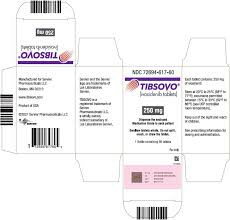
In terms of hematological tumors, the main indication of ivonib is for patients with newly diagnosed acute myeloid leukemia who carryIDH1 mutations. It is especially suitable for elderly patients over 75 years old or who cannot receive intensive chemotherapy due to comorbidities. In addition, ivonib also shows good efficacy for patients with relapsed or refractory AML, making it an effective treatment option for these patients. In addition to AML, ivonib is also approved for the treatment of relapsed or refractory myelodysplastic syndrome (MDS). This type of disease often progresses to AML, and early intervention can delay the progression of the disease.
In terms of solid tumors, the most prominent application of ivonib is in locally advanced or metastatic cholangiocarcinoma, especially in patients whose disease has progressed despite receiving standard treatments. The existence of IDH1 mutations in cholangiocarcinoma provides an important basis for targeted therapy. By targeting IDH1 mutations, ivonib has significantly improved the survival and quality of life of these patients, becoming an important breakthrough in the field of targeted therapy for cholangiocarcinoma.
Overall, with its unique mechanism of precisely targeting IDH1 mutations, ivonib provides a new treatment option for patients with hematological malignancies and certain solid tumors carrying such mutations. With the popularization of molecular detection technology, more patients can accurately identify IDH1 mutations, thereby obtaining personalized targeted treatment and improving treatment effects and prognosis.
Reference: https://www.tibsovo.com/
[ 免责声明 ] 本页面内容来自公开渠道(如FDA官网、Drugs官网、原研药厂官网等),仅供持有医疗专业资质的人员用于医学药学研究参考,不构成任何治疗建议或药品推荐。所涉药品可能未在中国大陆获批上市,不适用于中国境内销售和使用。如需治疗,请咨询正规医疗机构。本站不提供药品销售或代购服务。


