
.jpeg)
What important information is included in the instructions for Ivonib Tablets?
Ivosidenib/Ivosidenib (Ivosidenib), as an oral targeted drug targeting isocitrate dehydrogenase-1 (IDH1) mutations, has shown significant clinical value in the treatment of hematological tumors and certain solid tumors in recent years. The instruction manual details the indications, usage and dosage, side effects and precautions of the drug, providing an important basis for doctors and patients to use it scientifically and rationally.
The English name of Ivosidenib isIvosidenib is an enzyme inhibitor that selectively inhibits IDH1 mutations. It can block the abnormal metabolic pathway of IDH1, thereby inhibiting the proliferation of tumor cells and promoting their differentiation. According to the instructions, ivonib is suitable for patients with a variety of malignant diseases carrying IDH1 susceptibility mutations, mainly including newly diagnosed acute myeloid leukemia (AML), relapsed or refractory acute myeloid leukemia, relapsed or refractory myelodysplastic syndrome (MDS), and locally advanced or metastatic cholangiocarcinoma.
For patients with newly diagnosed acute myeloid leukemia, especiallyadult patients over 75 years of age or who are unable to tolerate intensive induction chemotherapy due to comorbidities, ivonib can be used as monotherapy or in combination with azacitidine. This combination regimen has shown the potential to improve response rates and extend progression-free survival in clinical trials, providing a new treatment option for elderly or frail patients. For patients with relapsed or refractory AML, ivonib monotherapy provides a precise treatment path targeting IDH1 mutations, helping to inhibit disease progression and improve quality of life.
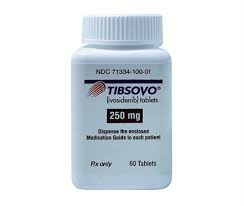
In patients with myelodysplastic syndromes, ivonib is used to treat relapsed or refractory cases. These patients often face limited therapeutic options due to the heterogeneity of the disease and the difficulty of treatment. Ivonib targets pathological metabolic abnormalities, inhibits the growth of abnormal cells, and significantly delays disease progression.
In cholangiocarcinoma, ivosidenib is approved for patients with previously treated locally advanced or metastatic disease. This indication is based on the anti-tumor activity of the drug shown in clinical trials and provides new treatment possibilities for patients with advanced cholangiocarcinoma, especially when traditional chemotherapy has limited effectiveness.
As for the usage and dosage, the instructions for ivonib clearly state that it should be taken orally500 mg once a day, which can be taken with food or on an empty stomach. The medication should be continued until the disease progresses or unacceptable toxic reactions occur. This simple dosing method facilitates patient compliance.
The instructions also list possible side effects in detail, including but not limited toQT interval prolongation, hematological toxicity, liver function abnormalities and electrolyte disorders, emphasizing the need for regular monitoring of electrocardiogram and laboratory indicators during treatment to ensure medication safety. If patients experience serious adverse reactions during use, they should seek medical treatment promptly and adjust the dosage or discontinue medication according to the doctor's guidance.
The instructions for ivonib also include medication recommendations for special groups, such as dosage adjustment guidance for patients with liver and kidney dysfunction, as well as medication contraindications for pregnant and lactating women. In addition, the instructions emphasize that the drug should be used under the guidance of a professional doctor, follow the principles of individualized treatment, and formulate a reasonable treatment plan based on the patient's specific condition and molecular diagnosis results.
In short, the instructions for ivonib tablets not only systematically introduce its clinical application scope and safety management measures, but also provide scientific and standardized medication guidance for clinicians and patients. With the development of precision medicine, ivonib, as a targeted drug targeting IDH1 mutations, is gradually becoming an important treatment option for patients with hematological malignancies and specific solid tumors. The detailed information in its instructions lays a solid foundation for the safe and effective use of the drug.
Reference: https://www.tibsovo.com/
[ 免责声明 ] 本页面内容来自公开渠道(如FDA官网、Drugs官网、原研药厂官网等),仅供持有医疗专业资质的人员用于医学药学研究参考,不构成任何治疗建议或药品推荐。所涉药品可能未在中国大陆获批上市,不适用于中国境内销售和使用。如需治疗,请咨询正规医疗机构。本站不提供药品销售或代购服务。


