
.jpeg)
How effective is zotuximab and what is the clinical feedback?
Zolbetuximab (zolbetuximab-clzb), as a new monoclonal antibody drug targeting CLDN18.2 (tight junction protein 18.2)-positive gastric cancer and gastroesophageal junction adenocarcinoma, has attracted widespread attention in the field of tumor treatment in recent years. CLDN18.2 is a protein highly expressed on the surface of gastric cancer cells, and its expression in normal gastric mucosa is relatively limited. Therefore, this target has high selectivity and provides an ideal target for targeted therapy. Zotuximab specifically binds to CLDN18.2 and activates the anti-tumor mechanisms of the patient's own immune system, including antibody-dependent cell-mediated cytotoxicity (ADCC) and complement-dependent cytotoxicity (CDC), thereby promoting tumor cell apoptosis and reducing tumor burden. In view of its clinical efficacy, multiple clinical trial data in recent years have provided solid evidence for the application of zotuximab in the treatment of gastric cancer.
In a pivotal Phase III clinical trial, zotuximab was evaluated in combination with standard chemotherapy (such as fluorouracil and platinum-based drugs) in patients with CLDN18.2-positive advanced gastric cancer. The results showed that compared with chemotherapy alone, combination therapy significantly prolonged the progression-free survival (PFS) and overall survival (OS) of patients. For example, in some studies, the median overall survival of patients in the zotuximab group was extended by several months compared with the control group, and the disease control rate and objective response rate were both improved, showing strong anti-tumor activity. Especially in the patient group with higher expression levels of CLDN18.2, the efficacy is more significant, which reflects the advantages of precise targeted therapy. In addition, zotuximab can improve patients' quality of life and reduce symptom burden, which is particularly important in the treatment of advanced gastric cancer.
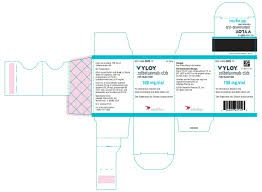
In terms of clinical feedback, doctors and patients generally show high recognition of zotuximab. As a combination regimen for first- or second-line treatment, zotuximab brings new hope to patients for whom traditional chemotherapy has limited efficacy. Patients reported that during the treatment process, the tumor volume was significantly reduced, the levels of tumor markers were reduced in some patients, and the living functions were restored to varying degrees. These positive feedbacks are not only based on objective imaging evaluations, but are also reflected in improvements in clinical symptoms and improved quality of life. In addition, the drug is relatively well tolerated, with controllable side effects in most patients, and no significant increase in serious toxicity compared with chemotherapy alone, which allows patients to adhere to the treatment plan and maximize the benefits of treatment.
Of course, as an immune-targeted therapy, zotuximab also has certain limitations. Some patients may develop resistance to the drug, resulting in reduced efficacy or even failure. In addition, although side effects are mild, a small number of patients may still experience injection-related reactions, gastrointestinal discomfort, and rare immune-related adverse events, which require close monitoring and management by clinicians. In the future, how to optimize the timing, dosage and combination of medication will be the key to improving the clinical application effect of zotuximab.
Taken together, the clinical performance of zotuximab exceeded expectations, especially in The efficacy in patients with CLDN18.2-positive gastric cancer is remarkable, bringing a breakthrough to this high-mortality tumor type.
Reference materials:https://www.astellas.com/en/news/29401
[ 免责声明 ] 本页面内容来自公开渠道(如FDA官网、Drugs官网、原研药厂官网等),仅供持有医疗专业资质的人员用于医学药学研究参考,不构成任何治疗建议或药品推荐。所涉药品可能未在中国大陆获批上市,不适用于中国境内销售和使用。如需治疗,请咨询正规医疗机构。本站不提供药品销售或代购服务。


