
.jpeg)
What are the side effects of Penpulimab?
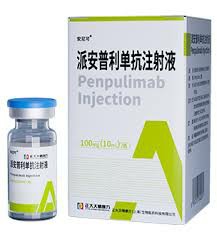
Penpulimab (Penpulimab), as an immune checkpoint inhibitor, is widely used in the treatment of various cancers, especially in the treatment of advanced or metastatic Hodgkin lymphoma (cHL) or nasopharyngeal carcinoma and other tumors. As aPD-1 inhibitor, penpilimab enhances the body's own immune response by inhibiting the immune escape mechanism of T cells, thereby helping to eliminate tumor cells. Although amprilumab has shown efficacy, it can also cause a range of side effects, some of which may have serious consequences for patients' health.
First, common side effects of ampilimab include fatigue, nausea, decreased appetite, and rash. These reactions are usually mild to moderate and gradually improve over time or with treatment. Many patients experience extreme fatigue after treatment, which affects their daily activities. In addition, some patients may experience gastrointestinal discomfort, such as diarrhea or constipation, which may be more pronounced in some patients. Common cold-like symptoms, such as cough, fever, sore throat, etc., are also common adverse reactions, usually a non-specific reaction caused by activation of the immune system.
However, although these side effects are relatively common, they are mostly manageable and do not pose a significant barrier to treatment. More serious side effects, although less common, are still something to be wary of. These include immune-mediated reactions such as pneumonia, colitis, hepatitis and endocrine diseases. The mechanism by which these immune-mediated side effects occur is that immune checkpoint inhibitors, by reactivating the immune system, may cause the immune system to attack not only tumor cells, but also normal healthy tissues, leading to inflammation and damage of organs. Pneumonitis (inflammation of the lungs) is a possible serious side effect with symptoms such as difficulty breathing, cough, and chest pain. Colitis (inflammation of the colon) may also present with abdominal pain, bloody stools, or severe diarrhea. Hepatitis (inflammation of the liver) may cause jaundice, abnormal liver function, or liver damage, and liver function must be monitored with blood tests.
Endocrine disorders are also among the immune-mediated side effects, including hyperthyroidism or hypothyroidism, adrenal insufficiency, etc. These symptoms need to be managed by hormone replacement therapy. Patients who experience these severe side effects often need to suspend treatment and receive targeted therapies to control the immune response.
In addition, due to its strong modulatory effect on the immune system, amprilumab is not suitable for all patients, especially those with a history of severe autoimmune diseases or those who have experienced severe immune-mediated side effects from other immune checkpoint inhibitors, for whom amprilumab is generally contraindicated. In addition, there are potential fetal or infant hazards when using pimplimab in pregnant or lactating women, and its use in these populations is not recommended.
In summary, although penpilimab has significant anti-tumor effects, it has a wide range of side effects and requires close monitoring during treatment, especially when severe immune-mediated reactions occur and should be dealt with promptly. Patients should maintain close communication with their doctors during the treatment process and promptly report any symptoms of discomfort so that timely intervention measures can be taken to ensure the safety and effectiveness of the treatment.
Reference materials:https://synapse.patsnap.com/article/what-is-penpulimab-used-for
[ 免责声明 ] 本页面内容来自公开渠道(如FDA官网、Drugs官网、原研药厂官网等),仅供持有医疗专业资质的人员用于医学药学研究参考,不构成任何治疗建议或药品推荐。所涉药品可能未在中国大陆获批上市,不适用于中国境内销售和使用。如需治疗,请咨询正规医疗机构。本站不提供药品销售或代购服务。


