
.jpeg)
What are the common adverse reactions after taking tepotinib?
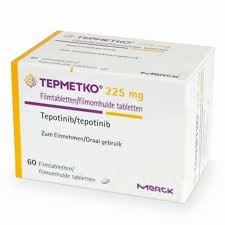
Tepotinib is a targeted therapy drug that is a MET inhibitor. It is mainly used to treat non-small cell lung cancer (NSCLC) with METexon 14 skipping mutations. As a small molecule tyrosine kinase inhibitor, tepotinib slows down the growth and spread of cancer cells by inhibiting the activation of the MET pathway. In clinical treatment, although tepotinib shows good efficacy, it may also cause some adverse reactions. The following will provide a detailed analysis of common adverse reactions after taking tepotinib and how to deal with them.
1. Skin-related adverse reactions
Skin reactions are a common side effect of tepotinib treatment, especially in the early stages of treatment. Patients may experience symptoms such as rash, itching, dryness, and scaling. Rash is usually one of the most common adverse reactions and occurs more frequently. The severity of skin reactions varies among individuals; mild rashes may not require special treatment, while more severe reactions may require dose adjustment or brief discontinuation of treatment.
In addition, some patients may also experience pigmentary changes in the skin, such as redness or discoloration of the skin. For these skin reactions, patients are advised to keep their skin clean and moisturized during treatment and use mild skin care products when necessary. For moderate to severe skin reactions, doctors may adjust the dose of the drug or even temporarily interrupt treatment based on the patient's specific condition.
2. Gastrointestinal discomfort
Gastrointestinal discomfort is one of the common adverse reactions of tepotinib, especially nausea, vomiting, diarrhea and loss of appetite. Approximately a proportion of patients experience mild nausea and vomiting after taking this drug, usually in the early stages of treatment. In most patients, gastrointestinal discomfort symptoms gradually lessen as treatment progresses.
In addition, diarrhea is also one of the common side effects after taking tepotinib, which may affect the patient's quality of daily life. The severity of diarrhea varies from person to person, ranging from mild diarrhea to severe watery diarrhea. For these gastrointestinal reactions, patients can take appropriate antidiarrheal drugs to relieve them, but they must be used under the guidance of a doctor. If diarrhea persists or is severe, the doctor may adjust the dose of the drug based on the patient's symptoms or consider discontinuing the drug to ensure the patient's safety.
3. Abnormal liver function
Abnormal liver function is one of the adverse reactions that requires special attention after taking tepotinib. Some patients may experience elevated liver enzymes during tepotinib treatment, especially alanine aminotransferase (ALT) and aspartate aminotransferase (AST) and other abnormalities in liver function indicators. Although most liver function abnormalities are mild, in some cases, liver function abnormalities can be severe and even lead to drug suspension or discontinuation.
Therefore, it is recommended that patients undergo regular liver function tests while taking tepotinib to ensure that liver enzyme levels are within the normal range. If obvious liver function damage occurs, such as jaundice, liver pain and other symptoms, you should seek medical treatment immediately and inform the doctor of all medications you are taking. Based on changes in liver function, doctors may adjust the dose or discontinue the drug to ensure patient safety.
4. Adverse pulmonary reactions
Although rare, some patients may experience pulmonary-related adverse reactions such as dyspnea, cough, and pneumonia while taking tepotinib. Some patients may develop non-infectious pneumonitis, which may be related to the potential effects of tepotinib on lung tissue. If patients develop symptoms such as difficulty breathing or coughing, they should contact their doctor for evaluation as soon as possible.
The occurrence of pulmonary adverse effects is often associated with the immunosuppressive effects of the drug, which may increase the risk of infection. Therefore, patients need to pay attention to respiratory symptoms during treatment and seek timely medical help if abnormalities occur. Patients with more severe pulmonary symptoms may need to discontinue medication and receive appropriate supportive care.
5. Fatigue and weakness
Fatigue and weakness are one of the common systemic adverse reactions of tepotinib. Many patients may feel extremely tired during treatment, which affects their daily life and work. The cause of fatigue may be related to the systemic effects of the drug, which is particularly common with drug-induced changes in the immune system and metabolic processes.
For fatigue symptoms, patients can alleviate them by taking appropriate rest and maintaining good work and rest and eating habits. However, if fatigue seriously affects quality of life, patients should inform their doctor promptly so that they can evaluate whether the medication regimen needs to be adjusted. Often, measures to reduce fatigue include medication dose adjustments or supportive care.
6. Ocular adverse reactions
Some patients may experience ocular adverse reactions when taking tepotinib, such as blurred vision, dry eyes, increased intraocular pressure and other symptoms. Although these symptoms are rare, eye problems can have an impact on a patient's quality of life. Therefore, patients should undergo regular eye examinations during treatment to ensure eye health.
If symptoms such as blurred vision or eye discomfort occur, patients should seek medical attention immediately to evaluate whether discontinuation of the drug or other treatment is needed.
In summary, tepotinib, as an effective targeted therapy, has demonstrated significant clinical effects in the treatment of non-small cell lung cancer with MET mutations. However, like many anti-cancer drugs, Tepotinib is also associated with certain side effects during treatment. Common adverse reactions include skin reactions, gastrointestinal discomfort, abnormal liver function, lung problems, fatigue, etc. Patients should regularly monitor various indicators while taking this drug and seek timely medical help if serious adverse reactions occur. With appropriate monitoring and management, patients can benefit most from the therapeutic effects of tepotinib.
Reference materials:https://www.tepotinib.com/
[ 免责声明 ] 本页面内容来自公开渠道(如FDA官网、Drugs官网、原研药厂官网等),仅供持有医疗专业资质的人员用于医学药学研究参考,不构成任何治疗建议或药品推荐。所涉药品可能未在中国大陆获批上市,不适用于中国境内销售和使用。如需治疗,请咨询正规医疗机构。本站不提供药品销售或代购服务。


