
.jpeg)
What are the common adverse reactions of selinesol?
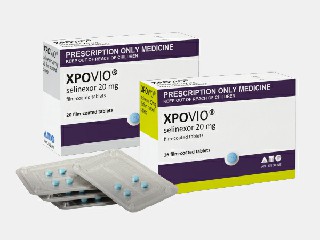
Selinexor is a targeted drug used to treat a variety of cancers, especially in the treatment of relapsed or refractory multiple myeloma (MM) and certain types of lymphoma. It inhibits the function of XPO1 (Exportin-1) protein, preventing the transport of some tumor suppressor proteins from the nucleus to the cytoplasm, thereby promoting tumor cell death. However, although selinesol has certain advantages in treatment, its use is also accompanied by certain side effects, and patients need to be aware of these potential adverse reactions when receiving treatment.
1. Adverse reactions related to the blood system
One of the most common side effects of selinesol is hematologic abnormalities. Patients often experience low blood cell counts, particularly a decrease in white blood cells, red blood cells, and platelets, while taking selinesol. These hematological side effects may cause patients to experience symptoms such as anemia, bleeding tendencies, and increased risk of infection. Specific symptoms include persistent fatigue, pale complexion, easy congestion or bleeding, and purple spots on the skin. Low blood cell counts are a common problem during selinesol treatment. Doctors usually check blood routine regularly during the patient's use of the drug, adjust the dosage or provide supportive treatment in a timely manner.
2. Adverse reactions of the digestive system
Seleniso also has certain effects on the digestive system. The most common gastrointestinal side effects include nausea, vomiting, loss of appetite, diarrhea and constipation. These symptoms may affect the patient's quality of life, particularly nausea and vomiting. Some patients may experience severe indigestion symptoms in the early stages of treatment, and therefore require symptomatic treatment. Maintaining a proper diet and getting enough fluids can help reduce these symptoms. In addition, if a patient experiences severe vomiting or diarrhea, the dose may need to be adjusted or the drug temporarily discontinued, and antiemetic or antidiarrheal medications may be used as recommended by the doctor.
3. Nervous system-related side effects
The use of selinesol may also cause adverse neurological effects. Patients may experience symptoms such as headache, dizziness, drowsiness, and difficulty concentrating. Because these symptoms may affect a patient's daily activities, particularly a decrease in attention and concentration, patients need to remain alert during treatment. If dizziness or drowsiness is severe, patients are advised to avoid activities that require concentration, such as driving or operating heavy machinery. In addition, adverse reactions to the nervous system may affect the patient's treatment compliance, so doctors usually evaluate the patient's neurological symptoms during treatment and make corresponding adjustments.
4. Weight changes and edema
Weight gain and edema are also common side effects of selinesol treatment. The onset of edema usually manifests as swelling of the limbs, particularly in the lower limbs, which may cause discomfort or limit mobility. Edema may be caused by the accumulation of fluid in the tissues, and patients may feel that their shoes or clothing become tight. Weight changes are also common among patients during treatment, especially weight gain. To reduce the effects of edema, patients can achieve relief through appropriate exercise and reduced salt intake. Additionally, if the edema is severe, medication doses may need to be adjusted or diuretics may be used to reduce symptoms.
5. Abnormal liver function
Selinesol may also cause abnormal liver function, manifested by elevated liver enzymes (such asALT, AST). Patients need to undergo regular liver function tests during treatment. If liver enzyme levels are significantly elevated, medication may need to be suspended and dosage adjusted. Abnormal liver function may cause patients to experience symptoms such as jaundice, loss of appetite, and right upper abdominal discomfort. For patients with a history of liver disease, extra caution is required when using selinesol, and doctors may adjust the dose or choose other treatment options based on the patient's liver function.
6. Other common adverse reactions
In addition to the above-mentioned adverse reactions, treatment with selinesol may also be accompanied by some other more common side effects, such as fatigue, fever, rash, etc. Fatigue is an uncomfortable symptom that many patients often experience when receiving selinesol treatment, and in severe cases it may affect the patient's daily life. The rash usually manifests as a red rash or itching on the skin. This is usually a mild reaction, but if the rash is severe or accompanied by other allergic symptoms, patients should report it to their doctor promptly.
Although selinesol has shown good efficacy in the treatment of various cancers, its use is accompanied by certain side effects, especially reactions in the blood system, digestive system, nervous system, etc. Patients should undergo regular blood tests, liver function tests, etc. when using selinesol, so that potential side effects can be detected and intervened in a timely manner. At the same time, patients should undergo symptomatic treatment according to the doctor's recommendations to reduce the impact of adverse reactions on their quality of life. In summary, although selinesol may cause some uncomfortable symptoms, with appropriate management and supportive care, patients can better cope with these side effects and achieve optimal treatment results.
Reference materials:https://www.selincro.com/
[ 免责声明 ] 本页面内容来自公开渠道(如FDA官网、Drugs官网、原研药厂官网等),仅供持有医疗专业资质的人员用于医学药学研究参考,不构成任何治疗建议或药品推荐。所涉药品可能未在中国大陆获批上市,不适用于中国境内销售和使用。如需治疗,请咨询正规医疗机构。本站不提供药品销售或代购服务。


