
.jpeg)
What is the difference between fenelidone and spironolactone? Comparison and selection of treatments between the two
Finerenone and spironolactone are both medications used to treat conditions related to sodium levels and hydration, especially those of the heart and kidneys. However, these two drugs have significant differences in mechanisms, indications, and side effects, and understanding their differences is important for clinical treatment selection.
First of all, both fenelidone and spironolactone are aldosterone receptor antagonists (ARA), but their mechanisms of action are slightly different. Spironolactone helps lower blood pressure and reduce edema by binding to aldosterone receptors, inhibiting the effects of aldosterone, reducing sodium reabsorption, and increasing potassium retention. However, spironolactone can also interfere with hormone receptors, especially androgen receptors and estrogen receptors, leading to side effects such as gynecomastia, sexual dysfunction, and irregular menstruation in women. In contrast, fenelinone, as a selective aldosterone receptor antagonist, mainly targets the mineralocorticoid receptor (MR). It has high selectivity and reduces interference with androgen and estrogen receptors, so it has relatively few side effects.
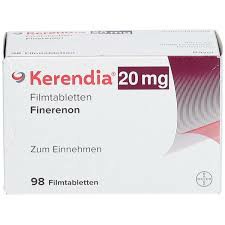
In terms of therapeutic indications, spironolactone is widely used to treat symptom-related diseases such as heart failure, primary aldosteronism, and kidney disease. It plays an important role especially in patients with heart failure, especially when heart failure is associated with reduced ejection fraction. Spironolactone significantly improves patient outcomes and reduces deaths and hospitalizations. Fenelidone is relatively new and is mainly used for patients with chronic kidney disease (CKD), especially in the treatment of diabetic nephropathy, which has achieved remarkable results. Fennelidone can effectively slow down the deterioration of renal function and reduce the occurrence of cardiovascular events, especially for patients with diabetes-related kidney disease.
In terms of side effects, a major problem with spironolactone is its potential hormone-related side effects, especially problems such as male breast development and sexual dysfunction that may occur during long-term use. In addition, spironolactone may also cause side effects such as hyperkalemia and renal insufficiency. Due to its higher selectivity, fenelidone still has the risk of hyperkalemia, but it has fewer hormone-related side effects. Therefore, it may be clinically more suitable for some patients who are more sensitive to hormone effects, especially male patients or patients with diabetic nephropathy who require long-term treatment.
Reference materials:https://www.kerendia.com/
[ 免责声明 ] 本页面内容来自公开渠道(如FDA官网、Drugs官网、原研药厂官网等),仅供持有医疗专业资质的人员用于医学药学研究参考,不构成任何治疗建议或药品推荐。所涉药品可能未在中国大陆获批上市,不适用于中国境内销售和使用。如需治疗,请咨询正规医疗机构。本站不提供药品销售或代购服务。


