
.jpeg)
What is the relationship between terpotinib and terbolizumab?
Tepotinib is a targeted therapy drug mainly used to treat patients with non-small cell lung cancer (NSCLC) with skipping mutations in MET gene exon 14. It is a selective MET inhibitor that can block abnormal activity related to the MET signaling pathway in cancer cells, thereby inhibiting tumor growth and spread. Tepotinib, as an oral small molecule drug, provides an effective treatment option for patients with such genetic mutations and has been approved for the treatment of specific types of lung cancer in many countries around the world.
Tebotelimab (Tebotelimab) is a different type of drug. It is a bispecific antibody therapy that mainly acts on two immune checkpoints: PD-1 and LAG-3. By inhibiting these two pathways simultaneously, Tembolizumab can enhance the body's immune system's ability to recognize and attack tumor cells. It is mainly used to treat various types of solid tumors or hematological tumors. It is still in the clinical trial stage and has not yet been commercially available on a large scale. It is significantly different from tepotinib in drug mechanism and application fields.
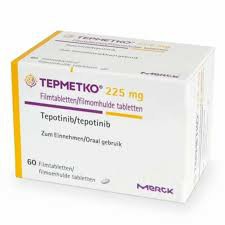
Although their names sound similar, tepotinib and terbolizumab are actually not directly related in structure, mechanism of action, and indications. Tepotinib is a small molecule targeted drug that mainly targets specific gene mutations in lung cancer patients; while terbolizumab is an immunotherapy drug that attempts to treat various types of tumors by regulating the body's immune response. The R&D companies, clinical uses and targets of the two are also completely different, so patients need to distinguish them when understanding or using them.
In general, tepotinib and terbolizumab are both important drugs in the current anti-cancer field, but they target different treatment strategies. Tepotinib represents a strategy for targeting specific mutations in precision therapy, while terbolizumab embodies the idea of u200bu200bu200bu200benhancing anti-tumor immune responses through joint regulation of multiple pathways in the field of immunotherapy. As research continues, these two classes of drugs may be used complementary in combination treatments in the future, but for now, they are two independent treatments.
Reference materials:https://www.tepotinib.com/
[ 免责声明 ] 本页面内容来自公开渠道(如FDA官网、Drugs官网、原研药厂官网等),仅供持有医疗专业资质的人员用于医学药学研究参考,不构成任何治疗建议或药品推荐。所涉药品可能未在中国大陆获批上市,不适用于中国境内销售和使用。如需治疗,请咨询正规医疗机构。本站不提供药品销售或代购服务。


