
.jpeg)
Is durvalumab suitable for patients with small cell lung cancer?
Small cell lung cancer (SCLC) is a subtype of lung cancer with strong invasiveness and high recurrence rate. Traditional chemotherapy has limited effect and the prognosis of patients is poor. In recent years, immune checkpoint inhibitors have gradually received attention in the treatment of small cell lung cancer. Durvalumab/Durvalumab As an antiPD-L1 antibody, its efficacy in small cell lung cancer has been evaluated in clinical trials, particularly in patients with extensive-stage small cell lung cancer (ES-SCLC).
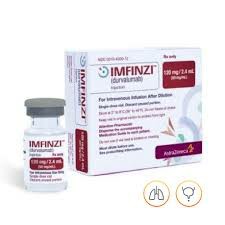
Clinical TrialIn the CASPIAN study, durvalumab combined with chemotherapy (etoposide plus platinum) was used for the first systemic treatment of extensive-stage small cell lung cancer, showing a significant survival benefit. Compared with traditional chemotherapy, the addition of durvalumab has prolonged overall survival and significantly improved progression-free survival, making it one of the new treatment standards in this field. This suggests that patients with small cell lung cancer, especially those with extensive-stage disease, are candidates for adding durvalumab to their initial treatment regimen.
However, due to the complexity of the tumor characteristics of small cell lung cancer and the patient's constitution, the response rate to immunotherapy is lower than that of non-small cell lung cancer, and immune-related side effects still need to be carefully managed. Before patients are treated with durvalumab, tumor burden, previous treatment history, and overall health status need to be assessed. The combination of immunotherapy and chemotherapy is gradually becoming the new standard for the treatment of extensive-stage small cell lung cancer, but the specific efficacy and safety still need to be adjusted based on the individual patient's condition.
In summary, patients with small cell lung cancer, especially those with extensive stage, have been proven to benefit from the treatment strategy of durvalumab combined with chemotherapy, which brings new treatment options and survival hope to this subtype of lung cancer with poor prognosis.
Reference materials:https://www.imfinzi.com/
[ 免责声明 ] 本页面内容来自公开渠道(如FDA官网、Drugs官网、原研药厂官网等),仅供持有医疗专业资质的人员用于医学药学研究参考,不构成任何治疗建议或药品推荐。所涉药品可能未在中国大陆获批上市,不适用于中国境内销售和使用。如需治疗,请咨询正规医疗机构。本站不提供药品销售或代购服务。


