
.jpeg)
Which drug works best with tofacitinib? What are the precautions?
Tofacitinib is an oral small molecule JAK inhibitor mainly used to treat autoimmune diseases such as rheumatoid arthritis (RA), psoriatic arthritis (PsA) and ulcerative colitis (UC). As a drug targeting intracellular signaling pathways, tofacitinib can inhibit the activity of a variety of pro-inflammatory cytokines, thereby achieving anti-inflammatory and immunomodulatory effects. In clinical practice, in order to improve the efficacy, tofacitinib is often used in combination with other drugs. The combination with methotrexate (MTX) is considered to be one of the most common and most effective combinations.
Research shows that although tofacitinib monotherapy can significantly improve disease symptoms, when used in combination with methotrexate, patients' clinical response rate, biomarker improvement, and imaging inhibition of joint destruction are better than either drug alone. For example, in the well-known ORAL Strategy study, the proportion of patients in the tofacitinib combined with methotrexate treatment group who achieved an ACR50 response (i.e., symptoms improved by more than 50%) at 24 weeks was significantly higher than the group treated with tofacitinib alone or adalimumab alone plus methotrexate, suggesting that this combination has a synergistic effect in disease control. Particularly in patients who have had a partial response to methotrexate but still have residual disease activity, the addition of tofacitinib may further optimize treatment outcomes.
However, when tofacitinib is used in combination with other immunosuppressants, it is also associated with certain safety risks, and special attention needs to be paid to the increased incidence of infection. JAK inhibitors themselves have the characteristics of suppressing immune responses. When combined with methotrexate, patients will have an increased risk of developing herpes zoster, lung infection, and other opportunistic infections. Therefore, when using tofacitinib combination therapy, strict patient screening must be performed, such as screening for tuberculosis infection, hepatitis B virus status before starting treatment, and close monitoring of complete blood count, liver function, blood lipid levels, and signs of infection during treatment. In addition, vaccination (especially shingles vaccine) should be completed well before treatment, as live vaccines are contraindicated during use of tofacitinib.
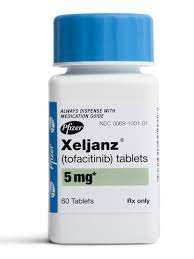
Another thing that requires special attention is the dose adjustment of tofacitinib. For patients with serious infection risks, elderly patients (over 65 years old), and patients with previous risks of cardiovascular disease or malignant tumors, tofacitinib is recommended to use the lowest effective dose (such as 5 mg twice daily or 11 mg extended-release tablet once daily) to minimize the occurrence of adverse events. In addition, tofacitinib should be avoided in combination with other potent immunosuppressants such as cyclosporine, azacitidine, etc., because this combination will significantly increase the degree of immunosuppression and bring unacceptable risks.
It is worth mentioning that tofacitinib can also be used in combination with intestinal topical anti-inflammatory drugs such as aminosalicylic acid preparations (such as mesalazine) when treating ulcerative colitis. Although there is less evidence for direct combination with immunosuppressants, in some cases, combined strategies can help control refractory symptoms. However, this combination also requires close monitoring of liver and kidney function as well as the occurrence of intestinal infections.
Reference materials:https://www.xeljanz.com/
[ 免责声明 ] 本页面内容来自公开渠道(如FDA官网、Drugs官网、原研药厂官网等),仅供持有医疗专业资质的人员用于医学药学研究参考,不构成任何治疗建议或药品推荐。所涉药品可能未在中国大陆获批上市,不适用于中国境内销售和使用。如需治疗,请咨询正规医疗机构。本站不提供药品销售或代购服务。


