
.jpeg)
What is the difference between dapostat and ennadostat tablets?
Daprodustat (Daprodustat) and Enarodustat belong to a new generation of hypoxia-inducible factor prolyl hydroxylase inhibitors (HIF-PHI), both of which are It was developed to treat chronic kidney disease-related anemia (CKD-anemia), but there are still certain differences in the nuances of the mechanism of action, pharmacokinetic properties, and clinical application. Understanding the similarities and differences between these two drugs can help doctors choose more appropriate treatment options based on patients' individual needs in clinical practice.
Based on the basic mechanism, both daprostat and ennadostat work by inhibiting prolyl hydroxylase (PHD). PHD promotes the degradation of hypoxia-inducible factor (HIF-α) under normoxic conditions, and HIF-α is a key transcription factor that regulates the expression of erythropoietin (EPO) and iron metabolism genes. When PHD is inhibited, HIF-α is stabilized, translocates into the nucleus, binds to HIF-β, and activates the transcription of a series of genes including EPO, thereby stimulating erythropoiesis. Although the core targets of the two drugs are the same, there are certain differences in the specific inhibitory spectrum, targeted subtypes and pharmacokinetic parameters.
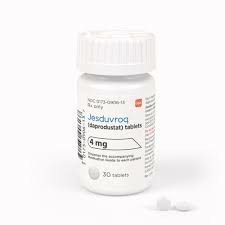
As a once-daily oral drug, dapocestat has good oral bioavailability and stable blood concentration, and can effectively increase hemoglobin levels in a short period of time. It is characterized by being mainly metabolized by the liver and having a moderate drug half-life, which helps maintain a steady increase in hemoglobin levels. In addition, dapoxostat also shows certain advantages in regulating iron metabolism, such as reducing serum hepcidin (hepcidin) levels and enhancing iron availability, thereby improving anemia and reducing the need for intravenous iron. According to global large-scale phase III clinical trials such as the ASCEND series of studies, daprostat can achieve non-inferior or even partially superior therapeutic effects in both dialysis and non-dialysis patients, and has a good overall safety profile.
Enaldostat tablets have certain selective characteristics in their mechanism of action. According to research, ennadostat has a certain preference for inhibiting PHD subtypes, especially in targeting PHD2, which is considered to be the main subtype that regulates renal EPO production. This selectivity may theoretically reduce the impact on non-target tissues and optimize drug safety. Ennadostat is also administered in a daily oral form and has a short plasma half-life, supporting once-daily use, but there may be some differences in pharmacokinetic properties in different ethnic groups. In addition, some studies pointed out that ennadostat showed a faster rising trend of hemoglobin in early efficacy observation, but in the long-term maintenance phase, its stability was comparable to that of daprostat.
From the perspective of clinical application, both drugs are designed to solve the problems existing in traditional erythropoietin (rHuEPO) treatment, such as poor compliance with injection administration and increased risk of cardiovascular events. In terms of safety, the most common adverse reactions of both drugs include hypertension, thrombotic events, gastrointestinal reactions, etc., but the overall incidence rate is lower than that of traditional EPO treatment. It should be noted that because HIF-PHI drugs may theoretically affect long-term risks such as tumor occurrence and retinopathy, regulatory agencies currently require continued post-marketing surveillance.
Reference materials:https://en.wikipedia.org/wiki/Daprodustat
[ 免责声明 ] 本页面内容来自公开渠道(如FDA官网、Drugs官网、原研药厂官网等),仅供持有医疗专业资质的人员用于医学药学研究参考,不构成任何治疗建议或药品推荐。所涉药品可能未在中国大陆获批上市,不适用于中国境内销售和使用。如需治疗,请咨询正规医疗机构。本站不提供药品销售或代购服务。


