
.jpeg)
What is the therapeutic effect of erlotinib combined with bevacizumab?
The treatment strategy of Erlotinib combined with Bevacizumab has attracted widespread attention in recent years in patients with advanced non-small cell lung cancer (NSCLC), especially patients with positive epidermal growth factor receptor (EGFR) mutations. Erlotinib, as an EGFR tyrosine kinase inhibitor (TKI), can effectively block the proliferation signals of cancer cells, while bevacizumab is an anti-angiogenic monoclonal antibody that targets vascular endothelial growth factor (VEGF) and further limits the nutrient supply and spread of cancer cells by inhibiting the formation of new blood vessels in tumors. This combined treatment model with complementary mechanisms aims to suppress tumor growth through multiple pathways, thereby achieving better clinical efficacy.
According to the results of multiple clinical studies, compared with erlotinib alone, combined treatment with bevacizumab can significantly prolong progression-free survival (PFS) and overall survival (OS) in some cases. For example, in the well-known JO25567 study, researchers observed that patients with EGFR mutation-positive advanced NSCLC who received erlotinib plus bevacizumab had a median progression-free survival of 16 months, compared with 9.7 months in the erlotinib alone group. Similar results were subsequently obtained in the NEJ026 study. The median progression-free survival time of the combination treatment group reached 16.9 months, which was significantly better than the 13.3 months of monotherapy. Although the improvement in overall survival did not reach statistical significance in some studies, the extension of progression-free time provides patients with better quality of life and more opportunities for subsequent treatment.
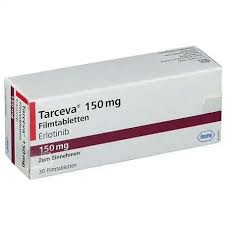
Combination regimens also show potential benefit in patients with brain metastases. In some analyses, erlotinib plus bevacizumab achieved higher control rates of brain metastases than monotherapy, which is important for patients with advanced lung cancer because brain metastases often herald disease progression and limit treatment options. In addition, this combination regimen also shows certain advantages in delaying the development of drug resistance. Although most patients treated with EGFR-TKI will eventually progress due to drug resistance, by inhibiting the angiogenesis pathway in the tumor microenvironment, it is possible to delay the emergence of drug-resistant mutations such as T790M, thereby extending the treatment window.
However, the combined use of erlotinib and bevacizumab is also associated with a certain risk of side effects. Common adverse reactions include hypertension, proteinuria, bleeding tendency, rash and diarrhea, among which hypertension and bleeding risk are closely related to bevacizumab. Therefore, patients need to regularly monitor blood pressure and urine protein levels when using this combination therapy, and promptly adjust treatment strategies when serious adverse reactions occur. Adaptive population selection is also particularly critical. It is usually recommended for patients with positive EGFR mutations, no obvious bleeding risk, and relatively good cardiovascular function to ensure the best balance between safety and efficacy.
Reference materials:https://en.wikipedia.org/wiki/Erlotinib
[ 免责声明 ] 本页面内容来自公开渠道(如FDA官网、Drugs官网、原研药厂官网等),仅供持有医疗专业资质的人员用于医学药学研究参考,不构成任何治疗建议或药品推荐。所涉药品可能未在中国大陆获批上市,不适用于中国境内销售和使用。如需治疗,请咨询正规医疗机构。本站不提供药品销售或代购服务。


