
.jpeg)
Ivonib/CPX-351 shows early activity and is safe in IDH1-mutated R/R AML, high-risk MDS
Based on the interim results of the phase 2 clinical trial (NCT04493164) submitted in 2024, the combination of IDH1 inhibitor ivosidenib/ivosidenib (Ivosidenib) and CPX-351 The combination showed early efficacy signals and was associated with an acceptable safety profile and in patients with newly diagnosed or relapsed/refractory IDH1-mutated acute myeloid leukemia (AML) or high-risk myelodysplastic syndrome (MDS).
At the data cutoff date, the overall response rate (ORR) for patients in Arm A (newly diagnosed; n=4) treated with ivonib plus CPX-351 was 100%; all patients in this arm also achieved undetectable measurable residual disease (uMRD) levels by flow cytometry with a sensitivity of 10-4. Patients in Arm B (relapsed/refractory; n=7) had an ORR of 43% after treatment with ivonib plus CPX-351; all 3 responders had uMRD. Interim results demonstrate the safety and promising efficacy of CPX-351 in combination with ivonib for the treatment of newly diagnosed or relapsed/refractory IDH1-mutated AML.
IvonibandCPX-351 Background and Phase 2 Study Design
In May 2022, the FDA approved the potent oral IDH1 inhibitor ivonib combined with azacitidine (Vidaza) to treat newly diagnosed AML patients carrying IDH1 mutations. In October 2023, ivonib monotherapy was approved by the FDA for the treatment of adult patients with relapsed/refractory MDS with predisposing IDH1 mutations, as detected by an FDA-approved test.
A previously published study showed that treatment with CPX-351 resulted in higher response rates and improved overall survival (OS) compared with standard 7+3 chemotherapy in patients with newly diagnosed secondary AML. It is worth noting that CPX-351 is a dual-drug liposome encapsulated with daunorubicin and cytarabine in a synergistic molar ratio of 1:5. Based on the results of previous studies on ivosidenib and CPX-351, a Phase 2 study was designed to investigate the efficacy of ivosidenib plus CPX-351 in patients with relapsed/refractory IDH1-mutated AML and high-risk MDS.
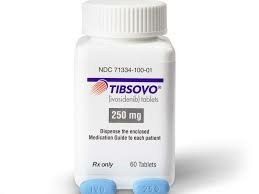
Patients participating in the study were at least18 years old with newly diagnosed or relapsed/refractory AML or high-risk MDS harboring an IDH1 mutation. Eligibility criteria include IDH1 mutated disease status as assessed by local laboratory; untreated or relapsed/refractory AML eligible for intensive chemotherapy or high-risk MDS or myeloproliferative neoplasms; adequate liver and kidney function; ECOG performance status of 0 to 2.5. The primary endpoint is ORR; key secondary endpoints include duration of response (DOR), event-free survival (EFS), OS and safety.
In group A, the median DOR was 16.3 months, the median EFS was 17.5 months, and the median OS was 29.3 months; in group B, the median EFS and OS were 4.2 months and 12.0 months, respectively. At a median follow-up of 32.5 months, IDH1 variant allele frequency (VAF) was measured in 9 of the 11 patients in the study, with 89% having reduced VAF and 67% having a VAF sensitivity of 2%. Of note, 4 responders underwent HSCT; of these patients, 3 remained in remission and 1 relapsed 17.5 months after HSCT.
In patients in Group A, the most common treatment-related adverse effects (TRAEs) included rash and electrocardiogram (ECG) changes. In Arm B, TRAEs included rash, thrombocytopenia, and electrocardiogram changes. There have been no reports of onset of differentiation syndrome and no deaths fromTRAEs. However, there were 2 dose-limiting toxicities, both bone marrow remission grade 4 prolonged thrombocytopenia. Among patients who achieved CR and CRi, these resolved without dose maintenance on Day 45. Median count recovery after induction was 39 days (range 30-55).
References:https://www.onclive.com/view/ivosidenib-cpx-351-shows-early-activity-and-is-safe-in-idh1-mutated-r-r-aml-high-risk-mds
[ 免责声明 ] 本页面内容来自公开渠道(如FDA官网、Drugs官网、原研药厂官网等),仅供持有医疗专业资质的人员用于医学药学研究参考,不构成任何治疗建议或药品推荐。所涉药品可能未在中国大陆获批上市,不适用于中国境内销售和使用。如需治疗,请咨询正规医疗机构。本站不提供药品销售或代购服务。


