
.jpeg)
Which generation of targeted drug therapy does sotorasib belong to?
Sotorasib is a targeted therapy drug mainly used to treat patients with KRAS G12C mutation-positive non-small cell lung cancer (NSCLC). It belongs to the latest generation of targeted drugs, specifically the generation of targeted therapeutic drugs targeting KRAS mutations. The emergence of this drug marks a major breakthrough in the field of KRAS mutation treatment, especially in the past when there was a relative lack of effective drugs for targeted treatment of KRAS mutations.
KRASgene mutation is one of the most common driver gene mutations in non-small cell lung cancer, especially the G12C mutation, which allows the proliferation and survival of cancer cells to continue. Because the KRAS gene has long been considered a "difficult to target" target, the medical community has not had an effective treatment. As the first targeted drug targeting the KRAS G12C mutation, sotoracib can effectively inhibit the growth and spread of tumor cells by inhibiting the mutated KRAS protein, and is therefore considered one of the innovative drugs.
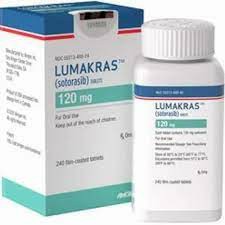
The targeting mechanism of sotoraxib is different from traditional targeted therapy drugs. Previous targeted therapy drugs usually interfere with tumor growth by inhibiting the activity of receptors or enzymes on the surface of cancer cells. The innovation of sotoraxib is that it can directly interfere with the function of KRAS protein and inhibit its activity. KRAS G12CMutant KRAS protein is continuously activated in cancer cells. Sotoraxib binds to the mutated KRAS protein and locks its active site, thereby effectively preventing further tumor expansion.
As a new generation of targeted therapy, sotoracib has demonstrated good clinical efficacy in the treatment of KRAS G12C mutation-positive non-small cell lung cancer. In clinical trials, sotoracib significantly improved patients' progression-free survival (PFS) and also achieved good results in terms of response rate. In addition, the side effects of sotoracib on patients are relatively controllable. Most side effects are mild to moderate, such as fatigue, loss of appetite, diarrhea, etc., and most patients can tolerate the treatment.
Reference materials:https://www.lumakras.com/
[ 免责声明 ] 本页面内容来自公开渠道(如FDA官网、Drugs官网、原研药厂官网等),仅供持有医疗专业资质的人员用于医学药学研究参考,不构成任何治疗建议或药品推荐。所涉药品可能未在中国大陆获批上市,不适用于中国境内销售和使用。如需治疗,请咨询正规医疗机构。本站不提供药品销售或代购服务。


