
.jpeg)
What is the cure rate of platinib in treating lung cancer?
Pralsetinib is a targeted therapy drug that is a RET (proto-oncogene protein tyrosine kinase receptor) inhibitor. It is mainly used to treat patients with non-small cell lung cancer (NSCLC) carrying RET gene mutations. RET Gene mutations exist in a small proportion of lung cancer patients. By targeting these mutations, platinib has shown significant efficacy. Since the pathogenesis of RET mutations in non-small cell lung cancer is relatively specific, platinib provides an effective treatment option for these patients. The following will further explore the therapeutic prospects of platinib through a detailed analysis of its efficacy, cure rate and clinical significance in the treatment of lung cancer.
The efficacy of platinib has been verified in multiple clinical trials. In clinical studies conducted by multiple centers around the world (such as the ARROW study), platinib has shown excellent anti-tumor effects in patients with RET gene mutation-positive non-small cell lung cancer. In this study, platinib achieved an overall response rate (ORR) of approximately 60% to 70%, and most patients were able to achieve some degree of tumor shrinkage after treatment. Especially for patients who have failed previous chemotherapy or other targeted therapies, platinib still shows significant efficacy, and some patients have achieved long-term tumor control. This result shows that platinib has high efficacy and good treatment prospects in the treatment of patients with non-small cell lung cancer with RET gene mutations.
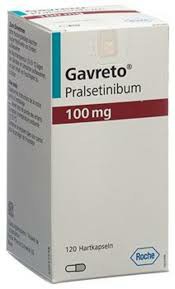
In the specific efficacy data, platinib not only performed outstandingly in response rate, but also showed a relatively ideal effect in progression-free survival (PFS). Clinical data show that patients with RET mutation-positive non-small cell lung cancer have a significantly longer progression-free survival after treatment with platinib, and their quality of life has also improved. The therapeutic effect of Platinib is not only reflected in the overall response rate and prolongation of progression-free survival, but also in the improvement of tumor control rate and improvement of symptoms. Many patients experienced significant symptom relief after receiving platinib treatment, such as improvement in dyspnea, chest pain and other symptoms.
However, although platinib is effective in treatingRETEncouraging results have been obtained in patients with genetically mutated lung cancer, but the cure rate is not 100 percent. In fact, like most targeted cancer treatments, the effectiveness of platinib diminishes over time. Some patients may develop resistance after prolonged treatment, which is a common problem with targeted therapies. Therefore, although platinib can significantly delay the progression of the disease and improve the survival rate of patients, there are still few cases of complete cure. The therapeutic effect of platinib is often closely related to the patient's genetic characteristics, the stage of the tumor, and the individual's response to the drug.
Nevertheless, platinib remains an important treatment option, especially for lung cancer patients with RET gene mutations. Through targeted therapy, platinib provides new hope for these patients and can improve the quality of life and survival time to a certain extent. In the future, as the research and development of targeted drugs continues to deepen, more treatment strategies may emerge to further improve the cure rate and quality of life of lung cancer patients. In general, platinib, as a new type of targeted therapy, has shown significant efficacy in the treatment of non-small cell lung cancer patients with RET gene mutations. Although its cure rate may be affected by multiple factors, it still brings new breakthroughs in the treatment of lung cancer.
Reference materials:https://gavreto.com/
[ 免责声明 ] 本页面内容来自公开渠道(如FDA官网、Drugs官网、原研药厂官网等),仅供持有医疗专业资质的人员用于医学药学研究参考,不构成任何治疗建议或药品推荐。所涉药品可能未在中国大陆获批上市,不适用于中国境内销售和使用。如需治疗,请咨询正规医疗机构。本站不提供药品销售或代购服务。


