
.jpeg)
The effects and common side effects of regorafenib
Regorafenib is a multi-target small molecule tyrosine kinase inhibitor mainly used to treat advanced or metastatic tumors. It exerts anti-tumor effects by inhibiting the growth of tumor cells, inhibiting the formation of tumor new blood vessels and blocking the metabolic pathways of tumor cells. Regorafenib has a wide range of indications and has been approved for the treatment of colorectal cancer, hepatocellular carcinoma, gastrointestinal stromal tumor (GIST) and other types of cancer, especially as an effective second-line or third-line treatment when traditional treatments are ineffective or cannot continue to be used.
The main function of regorafenib is to interfere with the growth and spread of tumors by inhibiting multiple targets. Specifically, regorafenib can inhibit a series of receptor tyrosine kinases related to tumor growth and metastasis (such as VEGFR, PDGFR, KIT, RET, etc.). By preventing the formation of new blood vessels in tumors, regorafenib can effectively reduce the blood supply to tumors, thereby limiting tumor growth. Its mechanism of action is not limited to direct anti-tumor effects, but also includes further enhancing the therapeutic effect by inhibiting angiogenesis, stromal response and immune escape mechanisms in the tumor microenvironment. Therefore, regorafenib is often used in patients with advanced cancer that cannot be completely controlled by surgery or radiotherapy and chemotherapy, and can prolong patients' survival and improve their quality of life.
Although regorafenib has significant anti-tumor effects, its side effects also require attention. The most common side effects include fatigue, high blood pressure, rash, diarrhea, loss of appetite, mouth ulcers, etc. Most side effects are manageable and may be alleviated by dose adjustment or adjunctive treatment. For example, diarrhea is one of the most common side effects of regorafenib. Patients may experience severe diarrhea symptoms in the early stages of treatment, but as treatment continues, side effects tend to be gradually controlled. In some cases, patients may need to use antidiarrheal medications or have their medication dosage adjusted.
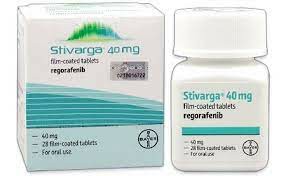
Regorafenib may also cause more serious side effects, and although these side effects are relatively rare, they require close monitoring. Serious side effects include liver function damage, bleeding, cardiovascular events (such as angina, heart failure), etc. In some patients, there may be an increase in liver function indicators, such as transaminase, bilirubin, etc. Abnormal liver function needs to be dealt with in a timely manner, and treatment should be suspended or the dosage adjusted if necessary. In addition, regorafenib may cause thrombocytopenia and increase the risk of bleeding, especially in patients with other bleeding tendencies. Therefore, regular blood routine checks are required during treatment to detect potential bleeding risks in a timely manner.
To minimize side effects, patients need regular physical examinations, especially monitoring of liver function and cardiovascular system, while receiving regorafenib. At the beginning of treatment, doctors usually start medication at a lower dose and gradually adjust the dose based on the patient's tolerance and disease progression. In addition, patients should avoid combined use with certain drugs during medication, because there may be drug interactions between regorafenib and certain drugs, resulting in reduced therapeutic efficacy or increased side effects. For example, regorafenib may increase the risk of bleeding when used with certain anticoagulant drugs.
In general, regorafenib is a targeted therapy drug with a wide range of indications, especially for patients with advanced tumors, and can provide an effective treatment option. Through multi-target inhibition, it can significantly extend the survival period of patients and improve the quality of life. However, although most of the common side effects during treatment, such as diarrhea, high blood pressure, rash, etc., are manageable, patients and doctors still need to work closely together to ensure the safety of the treatment. When using regorafenib, patients should follow the doctor's guidance, undergo regular examinations, and adjust the treatment plan in a timely manner to ensure the best treatment effect and minimal side effects.
Reference materials:https://www.stivarga-us.com/
[ 免责声明 ] 本页面内容来自公开渠道(如FDA官网、Drugs官网、原研药厂官网等),仅供持有医疗专业资质的人员用于医学药学研究参考,不构成任何治疗建议或药品推荐。所涉药品可能未在中国大陆获批上市,不适用于中国境内销售和使用。如需治疗,请咨询正规医疗机构。本站不提供药品销售或代购服务。


