
.jpeg)
Differences Between Margetuximab and Inituximab
Although margetuximab (margetuximab-cmkb) and inetetamab (Inetetamab) are both monoclonal antibody drugs in the field of HER2-targeted therapy and are widely used in the treatment of HER2-positive breast cancer patients, there are many key differences between them in terms of drug nature, molecular design, clinical application positioning, mechanism of action and market background. These differences not only affect clinical selection, but also reflect the trend of tumor treatment changing from traditional targeted therapy to immune regulation targeted therapy.
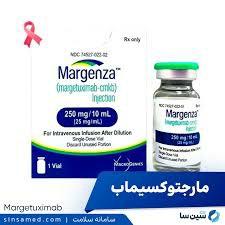
Margituximab is an Fc developed by the American companyMacroGenics The design of fragment-engineered humanized monoclonal antibodies is based on trastuzumab, but the Fc segment is optimized to make it have stronger binding ability to the high-affinity FcγRIIIa (CD16A) isoform, especially in patients with the CD16A-158F low-affinity allele, showing better immune mobilization capabilities. In addition to blocking HER2 signaling and inhibiting tumor proliferation, its core mechanism also significantly enhances antibody-dependent cell-mediated cytotoxicity (ADCC) and mobilizes immune effector mechanisms such as natural killer cells (NK cells) to mediate tumor cell clearance. Margetuximab was approved by the US FDA in 2020 for the treatment of advanced HER2-positive breast cancer. It is suitable for patients who have received two or more anti-HER2 treatments in the past. It is often used in combination with the chemotherapy drug paclitaxel. Its efficacy was verified in the SOPHIA phase III clinical trial. Especially in the specific immune gene background, compared with trastuzumab, it has certain advantages in progression-free survival (PFS) and disease control rate, reflecting the drug development direction of "precision immune targeting".
In contrast, Inetetamab (Inetetamab) is a HER2-targeting monoclonal antibody developed by Chinese local pharmaceutical company Fuhong Henlius and is defined as a biosimilar to trastuzumab. It is highly similar to trastuzumab in terms of molecular structure, action targets, mechanisms and clinical effects. By blocking the downstream signals of the HER2 receptor, it inhibits tumor cell division and induces some ADCC effects. It is often used in the treatment of HER2-positive breast cancer and gastric cancer. Initumab has been approved by the State Food and Drug Administration and has been included in the Chinese Medical Insurance List, which has high accessibility and cost-effective advantages. Unlike margetuximab, inituximab has not structurally optimized the Fc segment of the antibody. Therefore, its ability to activate ADCC of the immune system is consistent with trastuzumab. It is suitable for general HER2-positive patients and is not specifically targeted at people with specific immune gene backgrounds.
In general, margetuximab represents The core advantage of the upgraded version of the "second generation" HER2 antibody is the fusion of immune regulation and traditional targeting mechanisms. It is particularly suitable for patients with HER2-positive breast cancer who have previously been resistant to trastuzumab or T-DM1. It especially shows stronger efficacy in the subgroup with CD16A low-affinity alleles. Inituzumab is part of the traditional HER2-targeted therapy system. As a cost-effective domestic biosimilar drug, it provides an alternative treatment option to trastuzumab for a wide range of people. Although both can play an important role in the treatment of HER2-positive breast cancer, magituximab is more groundbreaking in terms of mechanism innovation and immune mobilization, while inituximab is widely used in clinical first-line treatment due to its accessibility and cost advantages.
Reference materials:https://www.margenza.com/
[ 免责声明 ] 本页面内容来自公开渠道(如FDA官网、Drugs官网、原研药厂官网等),仅供持有医疗专业资质的人员用于医学药学研究参考,不构成任何治疗建议或药品推荐。所涉药品可能未在中国大陆获批上市,不适用于中国境内销售和使用。如需治疗,请咨询正规医疗机构。本站不提供药品销售或代购服务。


