
.jpeg)
What is the dosage of fenelinone? Correct Dosage and Medication Guide
Finerenone (Finerenone) is a selective mineralocorticoid receptor antagonist (MRA), mainly used to treat kidney damage caused by hypertension and diabetes caused by chronic kidney disease (CKD). It reduces the process of water and sodium retention, inflammation and fibrosis by antagonizing mineralocorticoid receptors, thereby effectively slowing down the progression of kidney disease and the occurrence of cardiovascular events. The usage and dosage of fenelidone need to be adjusted according to the patient's specific situation, and correct medication guidelines and dosage recommendations should be followed to ensure its efficacy and safety.
1. Initial Dosing and Adjustment
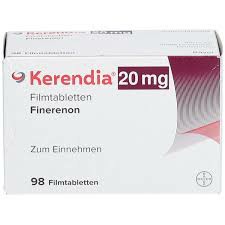
The recommended initial dose of fenelidone is usually 20 mg once daily. The drug can be taken orally, and patients are advised to take it at a fixed time every day, regardless of before or after meals. The initial dose setting mainly takes into account the drug's half-life, metabolic pathways, and patient tolerance. During the initial stages of treatment, doctors will closely monitor the patient's response to the drug, especially changes in electrocardiogram, electrolyte balance (such as potassium, sodium), and kidney function.
If the dose is well tolerated by the patient, the doctor may gradually adjust the dose based on the patient's treatment response and side effects. In well-tolerated patients, the dose of fenelidone may be increased to 40 mg once daily. At this time, the patient's electrolyte levels, blood pressure, renal function and other indicators need to be monitored regularly to ensure that the dose increase will not cause adverse reactions, especially hyperkalemia.
2. Dose adjustment and compliance
For some patients, especially older adults or those with renal impairment, your doctor may adjust the dose of fenelidone based on the patient's specific condition and tolerance. For example, elderly patients, patients with kidney disease, or other medical conditions may require a lower starting dose to reduce the occurrence of side effects. The purpose of this dose adjustment is to balance the therapeutic effect of the drug with the patient's tolerance and reduce the risks that the drug may bring.
In addition, patients should strictly follow the doctor's recommendations and should not increase or decrease the dosage on their own. If the patient forgets to take a dose, the missed dose should be replenished as soon as possible, but if it is close to the next dose time, the missed dose should be skipped and the next dose should be taken at the normal time. Patients are absolutely prohibited from increasing the dose on their own, especially without medical guidance, as this may lead to serious side effects, especially problems related to electrolyte imbalance.
3. Monitoring and Side Effect Management
While taking fenelinone, patients need regular blood tests to monitor electrolyte (such as potassium) levels and kidney function. Fenelidone may cause hyperkalemia, especially at high doses or with other drugs such as certain diuretics, ACE inhibitors, or ARBs) when used in combination. Therefore, blood potassium levels should be checked regularly to ensure they are within the normal range. If a patient's serum potassium exceeds the normal range, medication may need to be suspended or adjusted.
In addition to hyperkalemia, fenelinone may also cause other adverse reactions, such as hypotension, dizziness, diarrhea, fatigue, etc. Patients should inform their doctor promptly if they experience obvious discomfort, especially if the symptoms are severe or persistent. Doctors may adjust the drug dose or switch to other treatment options based on the patient's response. In addition, patients need to maintain good medication compliance and avoid discontinuing medications or changing medication regimens on their own.
4. Drug use for special groups
For special groups of people, fenelidone needs to be used with more caution. Patients with renal insufficiency need special attention to dose adjustment. Patients with mild to moderate renal impairment (creatinine clearance ≥30 mL/min) can use the recommended dose, but need to strengthen monitoring; patients with severe renal insufficiency (creatinine clearance <30 mL/min) should avoid the use of fenelidone. In addition, for pregnant women, lactating women, or female patients planning to become pregnant, the use of fenelidone must be cautious, and it is recommended to do it under the strict guidance of a doctor.
Overall, the usage and dosage of fenelidone should be individually adjusted based on the patient's specific condition, drug resistance, and monitoring indicators. When taking this drug, patients should maintain regular follow-up visits, conduct relevant examinations in a timely manner, and strictly follow the doctor's treatment plan to obtain the best treatment effect and avoid side effects.
Reference materials:https://www.kerendia.com/
[ 免责声明 ] 本页面内容来自公开渠道(如FDA官网、Drugs官网、原研药厂官网等),仅供持有医疗专业资质的人员用于医学药学研究参考,不构成任何治疗建议或药品推荐。所涉药品可能未在中国大陆获批上市,不适用于中国境内销售和使用。如需治疗,请咨询正规医疗机构。本站不提供药品销售或代购服务。


