
.jpeg)
What does the official instructions for Selinexol Tablets contain?
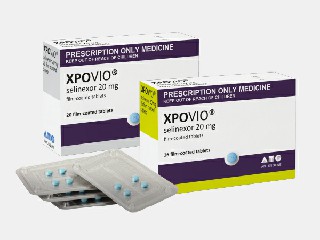
Selinexor (Selinexor) is an oral XPO1 inhibitor, mainly used to treat relapsed or refractory multiple myeloma and relapsed or refractory acute myeloid leukemia (AML). Its mechanism is to inhibit the function of XPO1 protein and prevent tumor cells from being transported from the nucleus to the cytoplasm, thereby leading to the death of cancer cells. The following is the official instructions for selinesol tablets, including the drug’s indications, usage and dosage, adverse reactions and precautions.
1. Drug Overview
Selinexor (Selinexor) belongs to a new generation of targeted drugs, mainly used to treat specific types of cancer. It regulates tumor cell growth and survival by inhibiting XPO1 (exportin 1). XPO1 is a nucleus-to-cytoplasm transporter often associated with cancer cell growth and drug resistance. Selinisol's mechanism of action makes it an important drug for the treatment of multiple myeloma and acute myeloid leukemia, especially in patients who have failed conventional treatments.
2. Indications
Seleniso is approved to treat the following conditions:
Multiple Myeloma: For patients with relapsed or refractory multiple myeloma who have received at least two prior lines of therapy and are not controlled with other drugs or treatments.
Acute myeloid leukemia (AML): It is suitable for patients with relapsed or refractory acute myeloid leukemia, especially those whose disease cannot be controlled by other chemotherapy drugs.
3. Usage and dosage
Dosage: Selinisol is usually taken orally in tablet form. The specific dosage and treatment regimen should be individually adjusted by the physician based on the patient's condition and tolerance. For patients with multiple myeloma, the recommended initial dose is 80 mg three times a week (three times a week, three days to take and four days to rest). The usual treatment period is three consecutive weeks, followed by one week off for cyclic treatment. For patients with acute myeloid leukemia, doses and treatment cycles may be individually adjusted based on clinical response.
How to take the drug: Selinexol should be taken with food and swallowed with plenty of water each time to ensure good absorption of the drug. Patients should follow their doctor's instructions and avoid increasing or decreasing the dose at will.
4. Adverse reactions
As a targeted therapy drug, patients need to pay close attention to the adverse reactions of selinesol. Common adverse reactions include:
Hematological abnormalities: including anemia, leukopenia, thrombocytopenia, etc. These may make patients more susceptible to infection or bleeding.
Gastrointestinal symptoms: such as nausea, vomiting, loss of appetite, and diarrhea, which may affect the patient's quality of life.
Fatigue: Patients may experience extreme fatigue that interferes with daily activities.
Nervous system symptoms: such as headache, dizziness, etc., which may be side effects of medications.
Electrolyte disorders: including low potassium, low sodium, etc., the electrolyte levels in the blood need to be monitored regularly.
Abnormal liver function: Some patients may have abnormal liver function, so liver function indicators need to be checked regularly.
5. Notes
Liver function monitoring: During treatment, patients should undergo regular liver function tests. Especially patients with a history of liver disease should be more careful when using selinesol and adjust the dose if necessary.
Infection Control: Because selinesol may cause immune system suppression, patients should take special care to prevent infections. During treatment, if symptoms of infection such as fever and cough occur, you should seek medical advice as soon as possible.
Pregnancy and Breastfeeding: Selinisol may have adverse effects on the fetus, so this drug should not be used by pregnant women. Women who are breastfeeding should stop breastfeeding while using selinesol because the drug may pass into the baby through breast milk.
Interactions with Other Drugs: Selinisol may interact with other drugs, including some antibiotics, antifungals, and other anticancer drugs. Before starting treatment, patients should inform their doctor about all medications they are taking.
6. Drug Storage
Selinesol should be stored in the original packaging at room temperature (no more than 25°C) away from exposure to moisture or direct sunlight. Keep this medicine out of the reach of children.
7. Special Warning
Myelosuppression: Because selinesol may cause severe myelosuppression, patients' blood levels should be monitored regularly before and after treatment. For patients with significant drops in blood cell counts, treatment may need to be adjusted or discontinued.
Serious adverse reactions: If severe gastrointestinal reactions occur (such as persistent vomiting, diarrhea, etc.), you need to communicate with your doctor as soon as possible and adjust the drug dosage if necessary.
Selinisol, a new targeted drug, has been approved for the treatment of relapsed or refractory multiple myeloma and acute myeloid leukemia. Its mechanism of action is through inhibitingXPO1, preventing the growth and spread of tumor cells, providing new treatment options for many patients. However, because it may cause a series of adverse reactions, patients need to be under the guidance of a doctor when using this drug, and regularly monitor relevant indicators such as hematology and liver function to ensure the safety and effectiveness of the treatment.
Reference materials:https://www.selincro.com/
[ 免责声明 ] 本页面内容来自公开渠道(如FDA官网、Drugs官网、原研药厂官网等),仅供持有医疗专业资质的人员用于医学药学研究参考,不构成任何治疗建议或药品推荐。所涉药品可能未在中国大陆获批上市,不适用于中国境内销售和使用。如需治疗,请咨询正规医疗机构。本站不提供药品销售或代购服务。


