
.jpeg)
What diseases is fenelidone used to treat? Analysis of common treatment effects among patients
Finerenone (Finerenone) is a non-steroidal mineral corticoid receptor antagonist (MRA), mainly used to treat a variety of diseases related to cardiorenal diseases, especially chronic kidney disease (CKD) and diabetes-related kidney disease (DKD). By inhibiting the excessive activation of mineralocorticoid receptors, fenelinone helps reduce inflammation, fibrosis and other pathological processes, thereby reducing further deterioration of kidney function. Fenelidone is particularly effective in patients with diabetes and can significantly slow down kidney damage caused by diabetes.
Finelidone is most commonly used to treat diabetic kidney disease (DKD). In patients with diabetes, fenelinone can effectively slow down the decline of renal function, reduce urinary albumin excretion, and reduce the risk of progression of renal disease. Research shows that fenelinone can significantly reduce proteinuria (abnormal excretion of protein in the urine), which is critical to preventing kidney damage and slowing the progression of kidney failure. In addition, fenelidone reduces the risk of cardiovascular disease, particularly in patients with diabetes and chronic kidney disease.
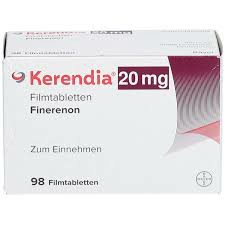
Finelidone is also used to treat chronic kidney disease (CKD). This disease has become one of the leading causes of end-stage renal disease (ESRD) worldwide. Fenelidone helps reduce the symptoms of chronic kidney disease and delay the decline of kidney function by reducing the fibrosis process in the kidney and inhibiting the activation of mineralocorticoid receptors. For many patients with chronic kidney disease, fenelidone can significantly improve their quality of life and reduce the need for hospitalization and dialysis.
The therapeutic effect of fenelidone has been verified by multiple clinical studies. Common therapeutic effects of patients after using this drug include lowering urine protein levels, improving renal function, and reducing the occurrence of cardiovascular events. Clinical data show that fenelinone can significantly reduce kidney damage caused by diabetes or hypertension, and patients' kidney health can be significantly improved. At the same time, the side effects of fenelinone are relatively small and can be tolerated well by most patients, although minor adverse reactions such as hypokalemia and hyperglycemia may still occur. Overall, fenelidone plays an important role in the management of diabetic nephropathy and chronic kidney disease, providing patients with new treatment options.
Reference materials:https://www.kerendia.com/
[ 免责声明 ] 本页面内容来自公开渠道(如FDA官网、Drugs官网、原研药厂官网等),仅供持有医疗专业资质的人员用于医学药学研究参考,不构成任何治疗建议或药品推荐。所涉药品可能未在中国大陆获批上市,不适用于中国境内销售和使用。如需治疗,请咨询正规医疗机构。本站不提供药品销售或代购服务。


