
.jpeg)
Linezolid injection uses and methods of administration
Linezolid (Linezolid injection) is a new antibiotic belonging to the oxazolidinone class. It is mainly used to treat serious infections caused by multi-drug-resistant Gram-positive bacteria. With its unique mechanism of action - inhibiting bacterial protein synthesis, this drug has important clinical value in dealing with "superbugs" such as methicillin-resistant Staphylococcus aureus (MRSA) and vancomycin-resistant enterococci (VRE). Linezolid injection is particularly suitable for hospitalized patients who are unable to take oral medications, or who have serious infections and require rapid onset of action. Its indications include hospital-acquired pneumonia, community-acquired pneumonia, and complicated skin and soft tissue infections, especially those caused by drug-resistant Gram-positive bacteria.
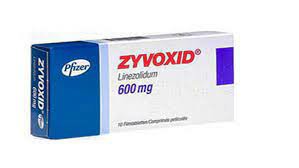
In terms of usage, linezolid injection is usually administered by intravenous infusion. Each dose is 600 mg, once every 12 hours, and the infusion time needs to be controlled between 30 and 120 minutes. For pediatric patients, the dose is adjusted individually based on body weight, generally 10 mg per kilogram of body weight, once every 8 to 12 hours. The specific use interval is determined by the doctor based on the severity of infection and pharmacokinetic characteristics. The course of linezolid injection therapy can range from 10 to 14 days depending on the site of infection and patient response. Some drug-resistant infections such as bacteremia caused by VRE can be extended to 28 days. However, there is currently no clear data to support its long-term safety.
It is worth noting that although linezolid has excellent antibacterial activity against Gram-positive bacteria, it is ineffective against Gram-negative bacteria. Therefore, the infecting bacteria should be clarified through pathogenic testing as much as possible before starting treatment. Since this drug may cause blood system side effects (such as thrombocytopenia, leukopenia, etc.) and serious adverse reactions such as peripheral neuropathy and optic neuropathy, it is recommended to closely monitor blood routine and nervous system conditions during treatment, especially if it is used continuously for more than 2 weeks.
Reference materials:https://go.drugbank.com/drugs/DB00601
[ 免责声明 ] 本页面内容来自公开渠道(如FDA官网、Drugs官网、原研药厂官网等),仅供持有医疗专业资质的人员用于医学药学研究参考,不构成任何治疗建议或药品推荐。所涉药品可能未在中国大陆获批上市,不适用于中国境内销售和使用。如需治疗,请咨询正规医疗机构。本站不提供药品销售或代购服务。


