
.jpeg)
Can tofacitinib tablets effectively treat white spots (vitiligo)?
Tofacitinib(Tofacitinib) has not yet been officially approved for the treatment of vitiligo (vitiligo), but in recent years, multiple studies have shown its potential efficacy in patients with certain types of vitiligo. Tofacitinib is a selective JAK inhibitor that mainly acts on JAK1 and JAK3 and can regulate a variety of cytokine signaling pathways related to autoimmune responses. Vitiligo is considered to be a chronic skin depigmentation disease caused by the immune system attacking melanocytes. The JAK-STAT signaling pathway plays an important role in its pathogenesis.
Some preliminary clinical studies from overseas indicate that tofacitinib may help restore melanocyte function by suppressing overactive immune responses, especially when combined with narrow-bandUVB irradiation (NB-UVB) phototherapy. In a small sample study, some patients showed a trend of pigment recovery after oral administration of tofacitinib, especially in exposed areas such as the face. However, most of these studies are open-label single-center trials or case reports and lack large-scale randomized controlled trial data, so clear conclusions cannot yet be drawn.
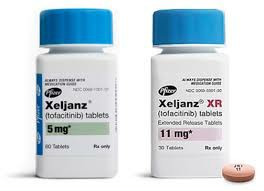
In addition, as an immunosuppressant, tofacitinib may cause a series of adverse reactions, such as increased risk of infection, abnormal blood lipids, and elevated liver enzymes. The safety of long-term use in patients with vitiligo is still unclear. Considering that its mechanism of action is consistent with the onset of vitiligo, its safety and effectiveness are expected to be verified in more clinical trials in the future, and the optimal dosage regimen will be explored, including oral dosage forms, topical preparations or combined phototherapy strategies.
In general, tofacitinib is still an "exploratory indication" in the treatment of vitiligo and is not currently a mainstream treatment option. If patients wish to try it, they should do so under the guidance of a specialist to weigh the potential benefits and risks. At the same time, regarding its future expansion of indications and medical insurance coverage in the treatment of vitiligo, we need to continue to pay attention to the latest progress of drug regulatory agencies and clinical research in various countries.
Reference materials:https://www.xeljanz.com/
[ 免责声明 ] 本页面内容来自公开渠道(如FDA官网、Drugs官网、原研药厂官网等),仅供持有医疗专业资质的人员用于医学药学研究参考,不构成任何治疗建议或药品推荐。所涉药品可能未在中国大陆获批上市,不适用于中国境内销售和使用。如需治疗,请咨询正规医疗机构。本站不提供药品销售或代购服务。


