
.jpeg)
What diseases are linezolid tablets mainly used to treat?
Linezolid (Linezolid) is a synthetic antibiotic that belongs to the ofloxacin class of drugs and mainly targets infections caused by Gram-positive bacteria. Due to its unique mechanism of action and broad-spectrum antibacterial effect, linezolid is widely used clinically to treat a variety of infections caused by drug-resistant bacteria, especially in cases of insensitivity to other antibiotics.
First, linezolid is mainly used to treat hospital-acquired pneumonia. This type of pneumonia is often caused by multidrug-resistant bacteria, such as methicillin-resistant Staphylococcus aureus (MRSA) and vancomycin-resistant enterococci, which are more common in hospitalized patients. Linezolid effectively controls infection by inhibiting bacterial protein synthesis and provides an important treatment option in the face of these drug-resistant bacteria. Studies have shown that linezolid has a significant effect on MRSA and can reduce patient mortality and complication rates.
Secondly, community-acquired pneumonia is also one of the indications for linezolid. This type of pneumonia is usually caused by common bacteria, such as Streptococcus pneumoniae and Streptococcus pyogenes. When these bacteria become resistant to conventional antibiotics such as penicillins and cephalosporins, linezolid becomes an effective alternative. Due to its good oral bioavailability, linezolid can be treated by oral or intravenous administration, thus facilitating patient medication management.
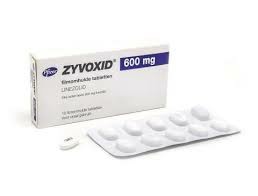
In addition, linezolid is used to treat skin and skin structure infections. This type of infection usually involves the deeper tissues of the skin and can be caused by pathogenic bacteria such as Staphylococcus aureus or Streptococcus. In some cases, these bacteria may have developed resistance to traditional antibiotics, making the use of linezolid even more important. Clinical studies have shown that linezolid has good efficacy in treating complex skin infections, effectively shortening patients' healing time and reducing the risk of infection recurrence.
Vancomycin-resistant enterococcal infections are also an important indication for linezolid. Enterococci are common intestinal bacteria, but in some cases they can enter the bloodstream or elsewhere and cause serious infections. Vancomycin-resistant enterococci pose a great challenge to treatment because of their resistance to most antibiotics. Linezolid is approved to treat these difficult-to-treat infections, helping to reduce the disease burden caused by drug-resistant infections.
It should be noted that linezolid is not suitable for the treatment of Gram-negative bacterial infections because its antibacterial activity against Gram-negative bacteria is very limited. In addition, linezolid has not been evaluated for continued use beyond 28 days, and long-term use may lead to increased drug resistance and the occurrence of side effects. Therefore, in clinical application, physicians usually carefully consider the duration of linezolid use based on specific circumstances.
When summarizing the indications for linezolid, it can be said that it is a very critical antibiotic, especially in the face of the increasing threat of drug-resistant bacteria. Linezolid plays an important role in saving lives and improving patient outcomes by effectively controlling hospital-acquired pneumonia, community-acquired pneumonia, skin and skin structure infections, and vancomycin-resistant enterococci.
Reference materials:https://go.drugbank.com/drugs/DB00601
[ 免责声明 ] 本页面内容来自公开渠道(如FDA官网、Drugs官网、原研药厂官网等),仅供持有医疗专业资质的人员用于医学药学研究参考,不构成任何治疗建议或药品推荐。所涉药品可能未在中国大陆获批上市,不适用于中国境内销售和使用。如需治疗,请咨询正规医疗机构。本站不提供药品销售或代购服务。


