
.jpeg)
Can ivonib be included in medical insurance coverage in 2025?
Ivosidenib/Ivosidenib (Ivosidenib) is the world's first targeted drug approved for the treatment of IDH1 mutation-related cancers, with clear molecular mechanisms and clinical efficacy. It has been approved by the FDA and EMA for two major categories of indications: the first category is for relapsed or refractory acute myeloid leukemia (AML) carrying IDH1 mutations, which is especially suitable for patients who are elderly or in poor physical condition and cannot tolerate intensive chemotherapy; the second category is for patients with locally advanced or metastatic cholangiocarcinoma, provided that they have received at least first-line systemic therapy and the presence of IDH1 mutation is confirmed.
In the field of AML, ivonib can be used as a single agent or in combination with hypomethylating drugs such as azacitidine to improve the complete remission rate and survival. In cholangiocarcinoma, clinical studies such as the ClarIDHy trial have shown that it can significantly prolong progression-free survival (PFS) and disease control rate (DCR), bringing new treatment hope to this type of patients with extremely poor prognosis.
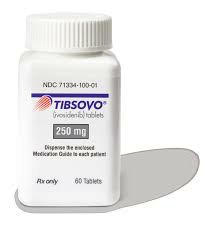
As to whether it is possible to be included in China's medical insurance in 2025, several key factors need to be comprehensively considered. First of all, the drug has not yet received formal marketing approval from China’s National Medical Products Administration (NMPA). It can only enter the medical insurance process after completing domestic registration, confirmation of indications and price negotiation. Secondly, medical insurance access pays more attention to the clinical necessity, cost-effectiveness ratio and disease burden coverage of drugs. The IDH1 mutation targeted by ivonib is a rare target, and the affected population is small. However, it has clear efficacy, clear targets, mature companion diagnostics, and has the potential to be included in medical insurance.
If the launch is completed before2025, it is a realistic possibility to be included in medical insurance in combination with the country’s support policies for rare diseases and targeted therapies, especially in the field of AML. In addition, if companies cooperate in implementing patient assistance projects and negotiate prices flexibly, the time to enter medical insurance is expected to be further accelerated, making precision treatment drugs more widely accessible in China.
Reference: https://www.tibsovo.com/
[ 免责声明 ] 本页面内容来自公开渠道(如FDA官网、Drugs官网、原研药厂官网等),仅供持有医疗专业资质的人员用于医学药学研究参考,不构成任何治疗建议或药品推荐。所涉药品可能未在中国大陆获批上市,不适用于中国境内销售和使用。如需治疗,请咨询正规医疗机构。本站不提供药品销售或代购服务。


