
.jpeg)
Compare ivonib and daratumumab, which one is better and what is the effect?
Ivosidenib (Ivosidenib) and daratumumab are targeted therapy drugs with different mechanisms of action and treatment areas. They are suitable for different types of tumors. Therefore, "which one is better" cannot be simply and directly compared. However, in-depth analysis can be conducted from the aspects of their respective indications, efficacy, tolerability and clinical positioning to help patients and doctors make more scientific drug choices in the context of specific diseases.
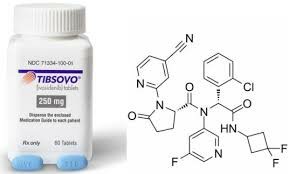
Avosidenib is a small moleculeIDH1 inhibitor, mainly used to treat acute myeloid leukemia (AML) and cholangiocarcinoma with IDH1 mutations. Its mechanism is to inhibit the activity of mutant IDH1 enzyme and block the abnormal accumulation of 2-hydroxyglutarate (2-HG), thereby reversing the epigenetic changes of tumor cells and redifferentiating tumor cells into mature blood cells. In the treatment of AML, ivonib is often used in elderly patients who are not suitable for intensive chemotherapy or patients with relapsed/refractory AML. According to the AG120-001 study based on FDA approval, the objective response rate (ORR) of ivonib in relapsed/refractory AML reached 41.6%, of which 30% were complete remission (CR) or hematological complete remission (CRh). The median duration of response exceeded 8.2 months, and the remission period in some patients can last for more than one year, showing good efficacy and disease control potential.
Daratumumab is a monoclonal antibody targeting CD38 and is mainly used for the treatment of multiple myeloma (MM). CD38 is a glycoprotein highly expressed on the surface of myeloma cells. Daratumumab can perform immune clearance of tumor cells through multiple mechanisms, including antibody-dependent cytotoxicity (ADCC), complement-dependent cytotoxicity (CDC) and antibody-dependent phagocytosis (ADCP). It can be used alone or in combination with lenalidomide, bortezomib, dexamethasone and other drugs to enhance its efficacy. Key studies such as the CASTOR and POLLUX trials have confirmed that the daratumumab combination regimen can significantly extend PFS (progression-free survival). Its ORR in patients with relapsed/refractory MM reaches more than 80%, and the CR rate is also considerable, making it an important part of immunotherapy for multiple myeloma.
From a tolerability perspective, common adverse reactions of ivonib include differentiation syndrome, QT interval prolongation, elevated liver enzymes and fatigue, etc., which are mostly controllable. Differentiation syndromes, although potentially serious, are mostly reversible with early recognition and intervention with corticosteroids. Infusion reactions are common with daratumumab, especially when taking the drug for the first time. In addition, it may also affect the results of blood group cross-matching, placing higher requirements on patients to receive blood transfusions. Long-term treatment may also cause mild bone marrow suppression and an increased risk of infection, but is generally well tolerated.
In terms of price and accessibility, because ivonib is relatively new and used for specific mutation groups, its indications are relatively narrow. Therefore, it has not yet been widely included in medical insurance, and the price is relatively high. With the expansion of indications and medical insurance coverage, daratumumab has become relatively affordable in some countries and regions, especially in patients with relapsed and refractory MM, and has become part of the standard treatment. In addition, the personalized medication features of ivonib are very prominent and require molecular testing to confirm the IDH1 mutation, suggesting that it is more precise, while daratumumab is mainly used based on clinical classification and treatment stage, and has stronger broad-spectrum applicability.
Reference: https://www.tibsovo.com/
[ 免责声明 ] 本页面内容来自公开渠道(如FDA官网、Drugs官网、原研药厂官网等),仅供持有医疗专业资质的人员用于医学药学研究参考,不构成任何治疗建议或药品推荐。所涉药品可能未在中国大陆获批上市,不适用于中国境内销售和使用。如需治疗,请咨询正规医疗机构。本站不提供药品销售或代购服务。


