
.jpeg)
Is the cure rate of lapatinib high? How does its therapeutic effect perform clinically?
Lapatinib is a targeted drug mainly used to treat HER2-positive breast cancer, especially for patients who are resistant to traditional treatments such as chemotherapy and Herceptin (Trastuzumab). As a tyrosine kinase inhibitor, lapatinib can effectively inhibit the activation of HER2 receptors, thereby preventing the proliferation of cancer cells. However, the clinical performance of lapatinib's cure rate and therapeutic effect is not absolute and needs to be evaluated based on the individual circumstances of the patient.
Lapatinib is approved to treat patients with advanced or metastatic breast cancer, especially HER2 positive patients. For these patients, lapatinib is often used in combination with capecitabine, and the combination regimen has shown significant efficacy. Studies have shown that lapatinib, when used in combination with capecitabine, can significantly improve patients' progression-free survival (PFS) and improve overall survival (OS). Especially in some Herceptin-resistant patients, lapatinib can play an important complementary therapeutic role.
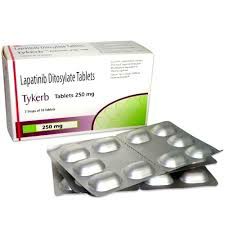
However, despite its clinically significant results, lapatinib is not a completely curative treatment. For patients with advanced or metastatic breast cancer, lapatinib may help delay disease progression and slow tumor growth, but it is still very difficult to achieve a complete cure. Some patients may develop resistance to lapatinib treatment, so the cure rate is relatively low, especially for patients with more severe disease.
The effectiveness of lapatinib in combination with other treatments has been demonstrated in multiple clinical trials. For example, the EGF104900 study showed that lapatinib combined with capecitabine in the treatment of HER2-positive metastatic breast cancer can significantly improve the patient's progression-free survival (PFS). Other studies have also confirmed the efficacy of the drug in specific populations, especially in Herceptin-resistant patients, where the therapeutic effect of lapatinib combined with capecitabine is particularly outstanding.
However, although lapatinib provides short-term disease control, its impact on long-term survival remains limited. Most patients eventually develop drug resistance, which means that even if treatment is initially effective, the tumors may progress again. Therefore, lapatinib has not shown the ability to completely cure clinically, but is more of a treatment option to prolong survival and relieve symptoms.
Reference materials:https://medlineplus.gov/druginfo/meds/a607055.html
[ 免责声明 ] 本页面内容来自公开渠道(如FDA官网、Drugs官网、原研药厂官网等),仅供持有医疗专业资质的人员用于医学药学研究参考,不构成任何治疗建议或药品推荐。所涉药品可能未在中国大陆获批上市,不适用于中国境内销售和使用。如需治疗,请咨询正规医疗机构。本站不提供药品销售或代购服务。


