
.jpeg)
What is the difference between bosutinib and imatinib? What are the differences in their mechanisms of action and efficacy?
Bosutinib (Bosutinib) and imatinib (Imatinib) are both tyrosine kinase inhibitors (TKI), used to treat chronic myelogenous leukemia (CML) and certain other types of cancer. Although both have similar mechanisms of action, interfering with the growth signals of tumor cells by inhibiting the activity of tyrosine kinases, their specific mechanisms of action, indications, efficacy and side effects are significantly different.
1. Mechanism of action
Imatinib is the first generation TKI, which mainly blocks the proliferation signals of leukemia cells by selectively inhibiting the abnormal tyrosine kinase activity produced by the BCR-ABL fusion gene. BCR-ABLThe fusion gene is a hallmark mutation of chronic myelogenous leukemia. Imatinib targets the abnormal tyrosine kinase activity of the fusion gene and inhibits its downstream signaling, thereby effectively inhibiting the proliferation of leukemia cells. Imatinib can also inhibit other tyrosine kinases, such as c-KIT and PDGFR, which allows it to be used to treat certain other tumors, such as gastrointestinal stromal tumors (GIST).
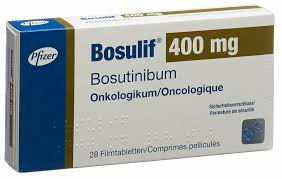
Bosutinib is a second-generation TKI that is equally effective against CML caused by the BCR-ABL fusion gene, but its inhibitory effect on other tyrosine kinases is stronger, especially in the treatment of imatinib-resistant patients. Bosutinib not only inhibits BCR-ABL, but also effectively inhibits a variety of other abnormal tyrosine kinases, such as c-KIT, PDGFR, SRC, etc. Abnormal activation of these kinases is closely related to tumor growth and metastasis. Bosutinib is specifically targeted at some patients with the T315I mutation (imatinib resistance mutation). In these patients, the efficacy of imatinib is significantly reduced, while bosutinib can still maintain good therapeutic effects.
2. Clinical efficacy
Imatinib has become the standard drug for the treatment of chronic myelogenous leukemia since it was approved by the FDA in 2001. For most CML patients, imatinib can significantly improve the prognosis and achieve complete molecular response (CMR). In initial treatment, imatinib is often very effective, significantly reducing leukemia cells and improving patient survival. However, some patients will develop drug resistance during long-term use, especially those with T315I mutations. This mutation will lead to changes in BCR-ABL tyrosine kinase activity and reduce the inhibitory effect of imatinib.
Compared with imatinib, bosutinib shows stronger anti-drug resistance in the treatment of CML, especially for patients with imatinib resistance (especially patients with T315I mutation). Studies have shown that bosutinib exhibits a higher complete molecular response rate in CML patients, and in clinical trials, it is effective for T315I
3. Side Effects and Tolerability
The side effects of imatinib include edema, fatigue, nausea, vomiting, muscle pain, loss of appetite, abnormal liver function, etc. Most side effects are mild to moderate and can gradually reduce with the continuation of treatment. However, for some patients, especially older patients or those with comorbidities, side effects may be severe and even lead to discontinuation of treatment. In addition, long-term use of imatinib may cause heart problems such as left ventricular dysfunction.
In contrast, bosutinib has a different side effect spectrum, with common side effects including diarrhea, liver function abnormalities, nausea, rash, thrombocytopenia, etc. Although the side effects of bosutinib are relatively severe, many patients are able to relieve discomfort through dose adjustment and symptomatic treatment. The incidence of side effects is slightly higher with bosutinib than with imatinib, but these side effects are generally more manageable in imatinib-resistant patients. Therefore, although tolerability of bosutinib presents certain challenges, the efficacy in resistant patients generally outweighs the risk of side effects.
4. Indications and treatment options
Imatinib, as the first generation TKI, is mainly used to treat chronic myelogenous leukemia (CML) and gastrointestinal stromal tumor (GIST). inCMLAmong the treatments, imatinib is the drug of choice, especially for patients who are newly treated. However, as treatment progresses, some patients will develop resistance to imatinib, especially those with BCR-ABL mutations (such as T315I mutations) or those who are resistant to other tyrosine kinases.
Bosutinib is mainly used to treat CML patients who are resistant or intolerant to imatinib, especially in patients with T315I mutation. Bosutinib has been approved for use in patients who have failed to respond to first-line therapy or have resistance mutations, and has a broad resistance spectrum and is effective against resistance mutations in multiple tyrosine kinases.
Although both imatinib and bosutinib are tyrosine kinase inhibitors, they have obvious differences in their mechanisms of action, efficacy, side effects and indications. As a first-generation TKI, imatinib has a good effect on most newly treated CML patients, but there are drug resistance problems in long-term use. As a second-generation TKI, bosutinib has better efficacy in patients with imatinib resistance, especially those with T315I mutation, especially in second-line and third-line treatment. Although the side effects of bosutinib are relatively obvious, its efficacy advantages in drug-resistant patients make it an important choice in the treatment of CML.
Reference materials:https://go.drugbank.com/drugs/DB06616
[ 免责声明 ] 本页面内容来自公开渠道(如FDA官网、Drugs官网、原研药厂官网等),仅供持有医疗专业资质的人员用于医学药学研究参考,不构成任何治疗建议或药品推荐。所涉药品可能未在中国大陆获批上市,不适用于中国境内销售和使用。如需治疗,请咨询正规医疗机构。本站不提供药品销售或代购服务。


