
.jpeg)
What precautions should be taken when using trientine? What aspects do patients need to pay special attention to?
When using trientine (Trientine), patients need to pay special attention to the correct use of the drug, management of side effects, and possible drug interactions. Trientine is a drug used to treat Wilson's disease. It helps reduce copper accumulation and prevent tissue damage caused by copper poisoning by binding to excess copper ions in the body and promoting its excretion. Although trientine plays an important role in the treatment of Wilson's disease, patients need to pay attention to some key things during use to ensure that the treatment is safe and effective.
1. Copper monitoring and dose adjustment
Trientine works by chelating excess copper ions so that they can be excreted through the urine, thereby reducing the concentration of copper in the body. However, excessive drug use may cause excessive copper loss, so regular monitoring of copper levels is very important. Before starting trientine, patients should undergo tests related to copper metabolism, such as serum copper, ceruloplasmin, and 24-hour urinary copper testing to determine the initial treatment regimen and dose.
During treatment, patients should undergo regular blood and urine tests to monitor copper levels and other related indicators. If abnormalities in serum or urinary copper are found, medication dosage may need to be adjusted to avoid excessive copper loss or excessive copper levels. In order to effectively control copper accumulation, the dosage of other drugs (such as zinc salts) may also need to be adjusted during treatment to further reduce copper absorption.
2. Side Effects and Tolerability
Although trientine has a significant therapeutic effect on Wilson's disease, it may also cause a series of side effects. Common adverse reactions include gastrointestinal discomfort (such as nausea, vomiting, diarrhea, loss of appetite) and skin reactions (such as rash). During initial use, patients may experience mild gastrointestinal discomfort, which usually subsides as treatment continues. If symptoms persist or worsen, you should communicate with your doctor promptly to adjust the use or dosage of the drug.
In addition, trientine may also cause hematological abnormalities, such as anemia or leukopenia, so patients need to have regular blood tests, especially in the early stages of treatment. If anemia or other hematological abnormalities occur, treatment may need to be adjusted or even discontinued for a period to assess patient tolerance.
In rare cases, trientine may also cause abnormal liver function, especially with long-term use. If the patient develops jaundice, liver discomfort, or other liver problems, the drug should be discontinued immediately and further examination and treatment should be performed.
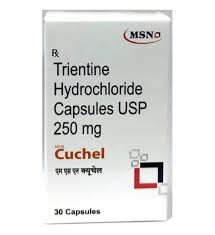
3. Drug interactions and administration methods
The interaction between trientine and other drugs is one of the things that patients must pay special attention to when using it. Trientine is a metal chelator and its effect may be affected by certain drugs. For example, metal supplements such as iron supplements and zinc salts may interact with trientine, affecting the absorption and effectiveness of the drug. While taking trientine, patients should avoid taking these medications at the same time or adjust their medication schedule as recommended by their doctor to reduce the risk of interactions.
In addition, patients should avoid antacid medications containing aluminum because aluminum may interact with trientine and affect copper excretion. When taking trientine, it is recommended to take it within 30 minutes after a meal to help reduce gastrointestinal discomfort and ensure optimal absorption of the drug. If the patient takes other drugs, the doctor should be informed in advance so that the drug combination can be adjusted to avoid adverse drug interactions.
4. Precautions for use during pregnancy and lactation
Trientine should be used with extreme caution in pregnant and nursing women. Although current research shows that trientine is less harmful to pregnant women, due to the metabolic characteristics of copper during pregnancy and its potential effects on the fetus, pregnant women should be cautious when using trientine and only use it under the strict guidance of a doctor. The goal of treatment during pregnancy is usually to avoid excessive copper accumulation. Therefore, when using trientine, special attention needs to be paid to copper excretion to avoid adverse effects on the fetus.
Whether trientine is excreted in breast milk has not been fully established for lactating women. Therefore, patients should consider whether to continue breastfeeding when using trientine during lactation. If you decide to continue using this drug, you should discuss with your doctor whether you can stop breastfeeding or use other treatment options.
In summary, when using trientine to treat Wilson's disease, patients need to pay special attention to the correct use of the drug, side effects management, drug interactions, and precautions for use in special populations. Through regular examinations and dosage adjustments, patients can obtain the best therapeutic effect within a safe treatment range. When using trientine, patients should keep in close contact with their doctor and follow the doctor's advice to ensure the effect of drug treatment and reduce adverse reactions.
Reference materials:https://www.cufence.com/
[ 免责声明 ] 本页面内容来自公开渠道(如FDA官网、Drugs官网、原研药厂官网等),仅供持有医疗专业资质的人员用于医学药学研究参考,不构成任何治疗建议或药品推荐。所涉药品可能未在中国大陆获批上市,不适用于中国境内销售和使用。如需治疗,请咨询正规医疗机构。本站不提供药品销售或代购服务。


